Climate change could start affecting pension funds and other long-term investments, according to John Rapley, a political economist at the University of Cambridge. Traditionally, climate events are factored into economic models in a way that mutes their effects, but as extreme weather becomes more frequent and unpredictable, investors may start to take notice. Pension funds and insurance companies, in particular, are likely to be affected as they set their premiums and long-term returns based on anticipated future costs and payouts. The economic costs of climate events are already falling heavily on rich countries due to their greater infrastructure.
The rise of digital technology has not diminished the appeal of analog practices. Young people, in particular, are seeking out analog alternatives as a way to engage with the world in a different way. Analog practices, such as reading physical books, using film cameras, sending letters and postcards, and collecting physical items, can provide a break from the screen and a sense of luxury and creativity. Incorporating analog practices into daily life can also help to push back against the constant need for productivity and the pressures of "hustle culture." While digital technology has many benefits, humans also thrive on and enjoy experiences that involve friction and a sense of difficulty. Analog practices can provide this friction and make life more interesting and enjoyable.
Investing in a universal coronavirus vaccine is crucial to prevent future economic disaster and protect communities, according to Rachel Glennerster, Thomas Kelly, and Christopher Snyder. They argue that a type of contract called an advance market commitment can help accelerate the development of a universal vaccine in a cost-effective way. The authors estimate that if the US government made an advanced market commitment to purchase enough universal coronavirus vaccine to vaccinate 33% of the population, it would cost around $5 billion and save the US approximately $700 billion to $1 trillion.
The next phase in the evolution of esports is being played out this week with the Olympic Esports Series in Singapore, where gamers will compete in 10 events including archery, sailing and tennis. The Games will be the first time medals have been awarded in esports, building on the 2021 virtual series. The event has prompted much discussion regarding the future of esports and whether it truly belongs in the Olympic arena. Some suggest it is a natural fit for multi-sport events, while others argue that the inclusion of esports would be a bridge too far. There are concerns about the compatibility of esports with Olympic values, specifically the IOC's view that it promotes peace through sport. The IOC would also need to consider how esports align with its goal of advancing gender equality, as currently there are few female players and they are often poorly treated. Additionally, there are financial concerns, as the industry's financial health has been questioned, with some esport companies expected to close divisions.
In an opinion piece for The Guardian, Richard Fisher discusses the malleability of our sense of time and the impact that the news and media can have on our perception. Fisher explains that our minds have the ability to manipulate time and transport our perspectives into the past and the future. However, the constant exposure to negative news and the distractions of the present can skew our timeviews and prevent us from taking a longer-term perspective. Fisher suggests that consuming negative news can lead to the onset of "doomism," where the future appears bleak and singular, rather than plural. Additionally, the loudest and most urgent distractions of the moment tend to dominate our decisions, while slower changes that are not as prominently featured in the news are often ignored. To cultivate a healthier timeview, Fisher suggests seeking out longer-form journalism and books, reducing time spent on platforms like Twitter, and practicing perspective-taking, which involves stepping into the shoes of past or future generations to encourage empathy and reduce psychological distance. Taking a longer view, Fisher argues, allows us to see the possible paths ahead and make the present more meaningful.
The Venice Architecture Biennale, titled Laboratory for the Future, explores the role of architecture in a fragmenting world and questions the dominant narrative of Eurocentric universalism. The exhibition challenges the idea that modernism, the architectural style that spread after World War II, was a universal language, arguing that it was a colonial invasion that ignored Indigenous nations. The Biennale showcases the contributions of non-western architects to modernism, such as Oscar Niemeyer and Lina Bo Bardi, and highlights the influence of precolonial building practices. Many of the works on display emphasize tradition and a nuanced understanding of culture and context, with a focus on materials, ways of building, and modes of sociability. The exhibition aims to construct an autonomous African perspective and celebrates the rediscovery of traditions, moving away from Western benchmarks of judgment. However, the article raises concerns that the rejection of universalism could enable nationalism and authoritarianism, as seen in China and other countries. It suggests that a new form of universalism is needed to bind together a common humanity in a world that is becoming increasingly fragmented.
The US Supreme Court has ruled against a white couple from Texas, who claimed that the Indian Child Welfare Act (ICWA) discriminated against them when they attempted to adopt a Navajo child. The ICWA was established to reverse a long history of Native family separation that benefited white families adopting Native children. The court's decision to uphold the ICWA is seen as a victory for tribal sovereignty and ensures that federally recognized tribes have a say in the future of their children. The ruling also prevents tribes from being absorbed into the American melting pot.
The Unabomber, Ted Kaczynski, who conducted a 17-year bombing spree in the US, has gained a new following for his manifesto, which has become a bestseller on Amazon. The book, titled "Industrial Society and Its Future," outlines Kaczynski's vision of a society enslaved by technology. The manifesto resonates with many people who feel anxious and alienated in a world dominated by technology and social media. Interest in Kaczynski's ideas has grown in recent years, with his manifesto being the subject of a feature film, documentaries, and podcasts. However, many of those who embrace his ideas do so selectively and for their own purposes, rather than accepting the entirety of his philosophy. Kaczynski's ideas have also influenced anti-technology radical groups, some of which have carried out violent attacks. The publication of the manifesto in 1995 led to Kaczynski's arrest but set his ideas free. Some argue that the decision to publish the manifesto was worth it because it helped explain Kaczynski's motivations and ultimately led to his capture.
India and the U.S. are ready to be more than just friends
Nikkei Asia
23-06-19 08:00
The US and India have the potential to come together and form a stronger alliance, according to Karan Mehrishi, author of "The India Collective: What India is Really All About". Mehrishi argues that India can be a gateway for the US to re-engage with the Global South and demonstrate that democracy is still relevant and worth emulating. He suggests that India needs a stable and dependable partner to enhance its security against aggression from China, and that the US can benefit from aligning closer with India and gaining support from other democratic allies.
Sask. photographer who sees magic of the night sky says it needs protection
CBC
23-06-19 08:00
Astrophotographer Jeanine Holowatuik and astronomer Samantha Lawler are concerned about the increasing impact of space and light pollution on the night sky. Holowatuik, who lives near Hudson Bay, Saskatchewan, spends her time photographing the northern lights and wants others to experience the magic of the night sky. However, she warns that the dark skies are under threat as space and light pollution increases. Lawler, who is studying the impact of satellites on the night sky, said that if companies go ahead with their launch plans, the night sky will become crowded with moving satellites.
The consumption of hallucinogens, including “magic” mushrooms, by young adults has nearly doubled over the past three years, according to a study by the University of Michigan and Columbia University. The research found that 6.6% of adults aged 19 to 30 used hallucinogens other than LSD in 2021, up from 3.4% in 2018, while LSD use rose from 3.7% to 4.2% in the same period. The study is based on data from Monitoring the Future, a project which tracks behaviours and attitudes from adolescence into adulthood. The survey also found that roughly 8% of young adults used some kind of hallucinogen in 2021, the highest figure recorded since at least the 1980s. The findings reflect the growing acceptance of mind-altering drugs in the US, with marijuana and hallucinogens registering historic highs in young-adult use in 2021. However, the study notes that most young adults who take hallucinogens are experimenting rather than using them for therapeutic purposes.
Australian property giant Lendlease has partnered with mobility services start-up Outbound to offer Tesla Model 3s to tenants in the newly opened Salesforce Tower in Sydney. The Electric Car Club will give tenants access to three vehicles for hire on an hourly, daily or weekend basis, with a mobile app allowing users to reserve, pay for and access the cars, and even lock and unlock them, through their smartphones. The move is part of a trend among landlords to offer concierge services to boost workplace satisfaction.
Bevan-Baker says P.E.I. Greens have a 'bright future' as he readies to exit the stage
CBC
23-06-19 18:51
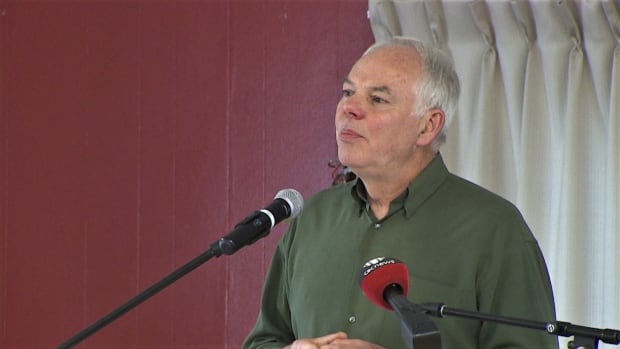
Peter Bevan-Baker has resigned as leader of the Green Party of Prince Edward Island (P.E.I.) in Canada. Bevan-Baker, who was first elected leader in 2012, will stay on until a new leader is chosen. His resignation comes after the party's disappointing performance in the April elections, where they lost six of their eight seats. However, Bevan-Baker said his decision was largely due to personal reasons, as his life had become unbalanced. He hopes to regain some equilibrium by pursuing other interests, such as music and writing.
Swedish climate activist Greta Thunberg has been arrested after blocking oil tankers in the harbour of Malmo, Sweden, for five days. Thunberg, along with members of the group Ta tillbaka framtiden, or Take Back the Future, was taken away by police on Monday. This is not the first time Thunberg has been arrested for her activism, having been detained in Germany and Oslo previously. Thunberg tweeted on Saturday that the climate crisis is a matter of life and death and that they are choosing to physically stop fossil fuel infrastructure in order to reclaim the future.
Researchers have warned that training future generations of artificial intelligence (AI) chatbots using data from previous AIs could result in a proliferation of nonsensical content on the internet. The study found that using output data from AI systems to train subsequent models could lead to "irreversible defects" and the production of junk content. The researchers discovered that learning from data produced by other models caused a process of "model collapse" whereby models forgot the true underlying data distribution. They warned that this could lead to AI models misinterpreting information and inserting false information, ultimately leading to a misunderstanding of reality. The researchers called for efforts to label AI-generated content and preserve original human-made data for future AI training.
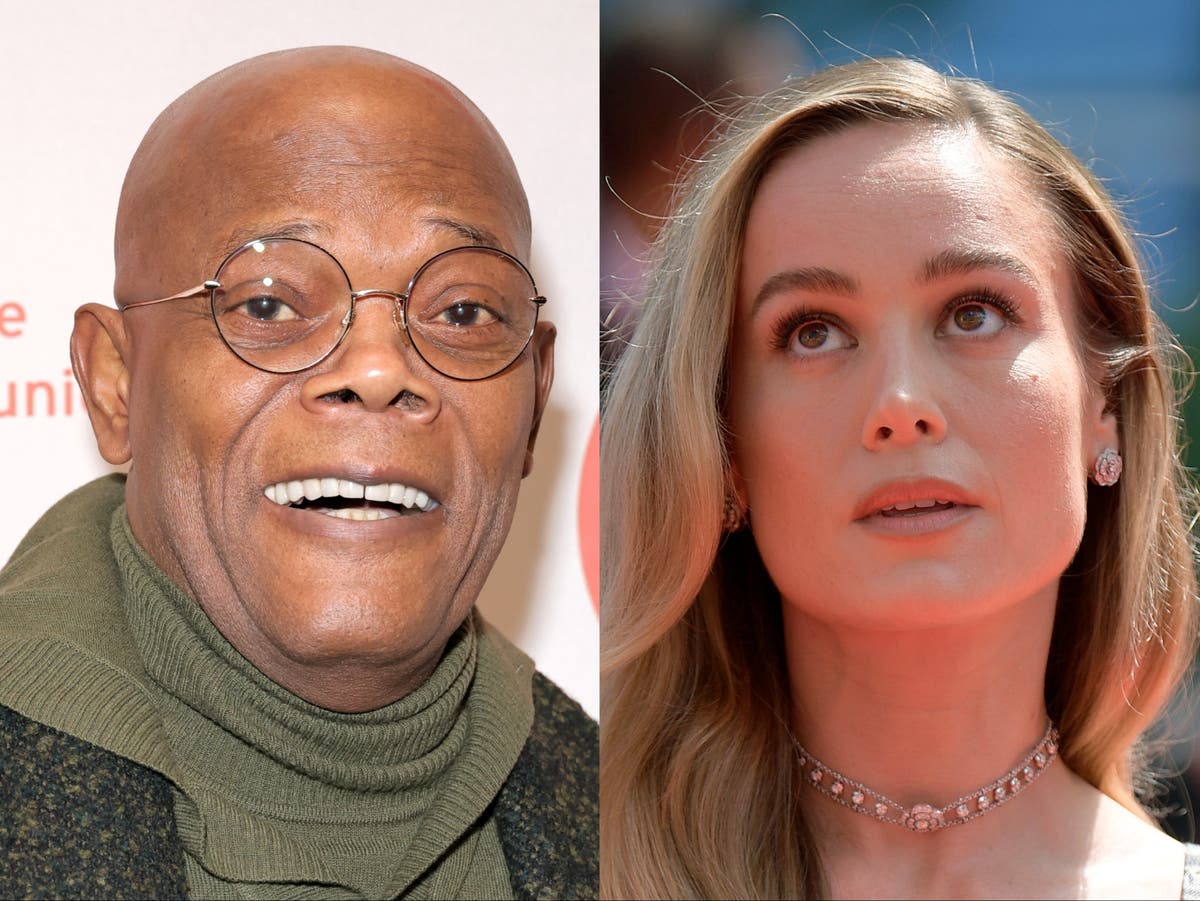
Samuel L Jackson has defended Brie Larson after she received online abuse for her role as Captain Marvel. In an interview with Rolling Stone, Jackson condemned the abuse, stating that Larson is a stronger person than people give her credit for. He recounted their friendship and how he encouraged her to take on the role in the Marvel Universe. Jackson also discussed the possibility of his image being digitally recreated in films using CGI technology after his death, stating that it could be something to worry about and that actors should have control over their image.
The stablecoin bill recently introduced in the House does not address the issue of government licensing authorities coercing stablecoin protocols to deny services to legally operating but politically disfavored businesses. This omission could lead to political pressure being placed on stablecoin sponsors to block transactions with unpopular industries. The article highlights the Obama-era initiative "Operation Choke Point" as an example of government pressuring financial institutions to deny services to lawful but politically disfavored businesses. The article suggests that legislation should provide legal certainty that licensed stablecoins can honor all lawful activities to prevent stablecoin transactions from being influenced by political pressure.
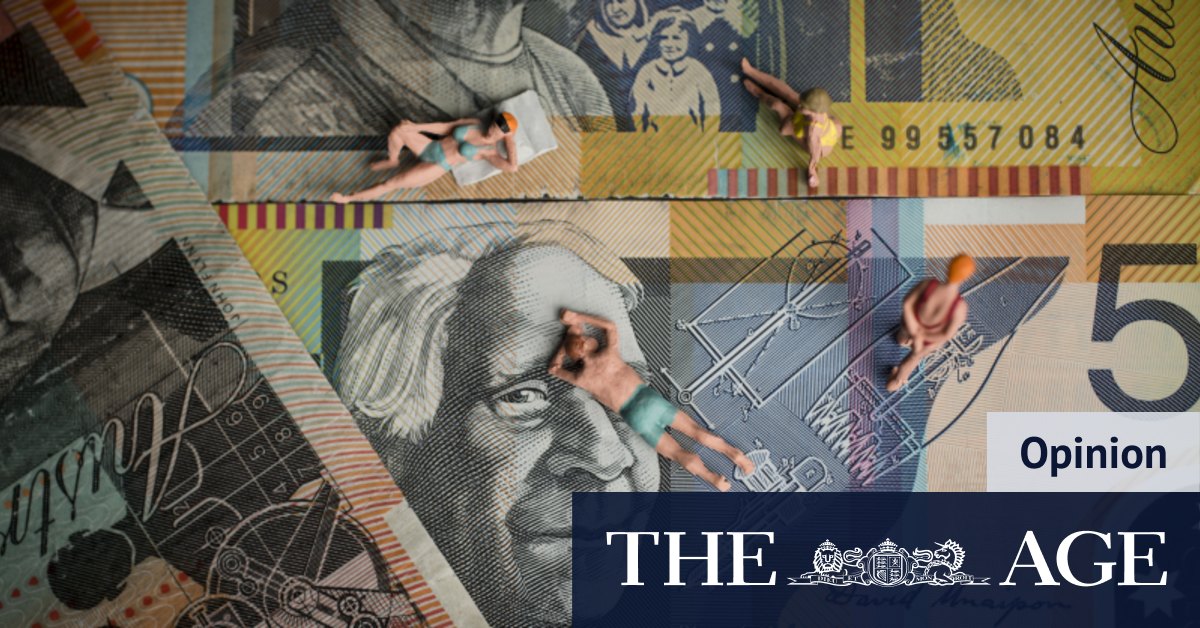
As the end of the financial year approaches, Australians are being reminded of the tax incentives available for charitable giving. One lesser-known incentive is the capital gains tax (CGT) exemption available for some bequests in wills. If a beneficiary is a charitable organisation, then neither the estate nor the beneficiary will pay CGT on the inherited assets. This means that individuals can maximise their bequests to the community and achieve a more tax-effective outcome by directing a gift of assets carrying a large capital gain, such as shares, to a Deductible Gift Recipient charity.
The rapid adoption of artificial intelligence (AI) technology is raising concerns about its potential risks and the need for responsible development and regulation. Experts in the field have weighed in on the issue, highlighting the importance of focusing on the immediate consequences of AI deployment and the need for diverse perspectives in its development. Nick Frosst, co-founder of AI startup Cohere, emphasizes the need to ensure that AI technology is used for the benefit of society and aligns with ethical values. Deval Pandya, vice-president and head of AI engineering at the Vector Institute, calls for sensible governance and the creation of standards and criteria to guide AI development. Golnoosh Farnadi, Canada CIFAR AI chair, emphasizes the need for trusted parties to establish metrics and standards for AI systems. Mark Abbott, director of the Tech Stewardship program at MaRS, stresses the importance of broad stewardship capacity and the involvement of multiple stakeholders in the responsible development and regulation of AI. The experts agree that responsible innovation is essential for harnessing the benefits of AI and avoiding dystopian scenarios.
Wimbledon will use artificial intelligence (AI) to produce commentary for video highlights of this year's tournament. The All England Club will use generative AI technology from IBM Watson to create audio commentary and captions for the highlights videos, which will be available on Wimbledon's website and app. The move is seen as a step towards the potential use of AI for live match commentary. IBM Sports Partnerships Leader Kevin Farrar said the technology would complement rather than replace human commentators and could be used for matches without commentary.








.JPG)