Introduction
Deoxyribonucleic acid (DNA) is a complex molecule that carries genetic information in almost all living organisms. It was first discovered in 1869 by Swiss biochemist Friedrich Miescher, but it wasn’t until the 1950s that scientists fully understood its structure and function. DNA is essential for life, as it controls the processes that allow cells to reproduce and function properly. Understanding DNA is key to many areas of science, including genetics, forensics, and medicine.
Structure
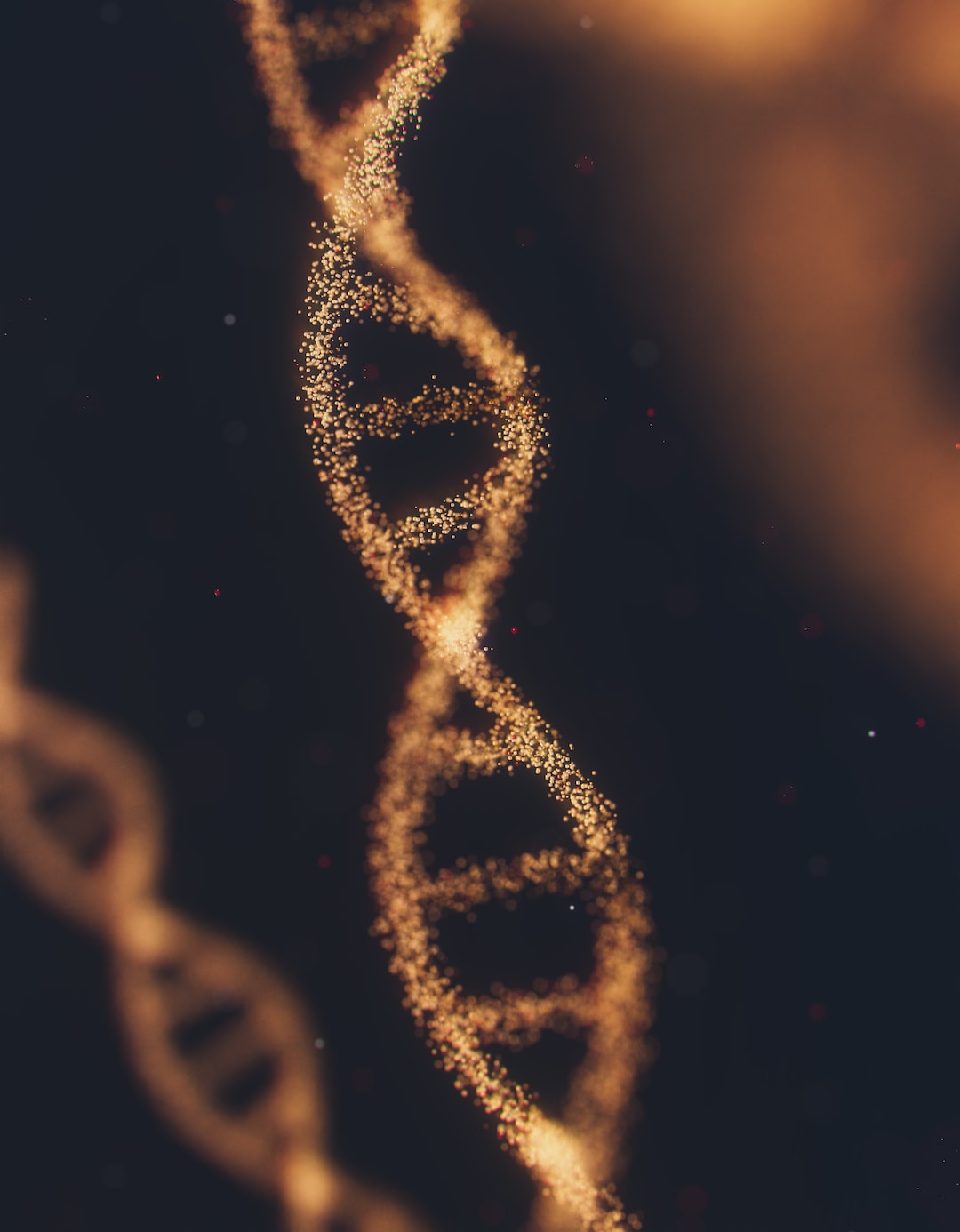
DNA is a long, double-stranded molecule made up of four types of nucleotides: adenine (A), cytosine (C), guanine (G), and thymine (T). Each nucleotide contains a sugar molecule, a phosphate group, and a nitrogenous base. The sugar and phosphate molecules form the backbone of the molecule, while the nitrogenous bases form the rungs of a ladder-like structure.
The nitrogenous bases always pair in a specific way: A pairs with T, and C pairs with G. This is known as complementary base pairing. The two strands of DNA are held together by hydrogen bonds between the nitrogenous bases.
The structure of DNA was first described by James Watson and Francis Crick in 1953. They proposed a double helix structure, in which two strands of DNA coil around each other. The discovery of the structure of DNA was one of the most significant scientific breakthroughs of the 20th century, and it paved the way for further research in genetics and molecular biology.
Function
The main function of DNA is to carry genetic information from one generation to the next. This information is encoded within the sequence of nucleotides in the DNA molecule. The sequence of nucleotides determines the sequence of amino acids in proteins, which are responsible for the structure and function of cells.
DNA replication is the process by which cells make copies of their DNA. This process ensures that each new cell receives a complete set of genetic information. During replication, the two strands of DNA are separated, and each strand serves as a template for the synthesis of a new complementary strand. The end result is two identical DNA molecules, each consisting of one original strand and one newly synthesized strand.
DNA transcription is the process by which the information encoded in DNA is used to synthesize RNA. RNA is a single-stranded molecule that is similar in structure to DNA but contains the nitrogenous base uracil (U) instead of thymine (T). During transcription, the DNA molecule is used as a template to synthesize a complementary RNA molecule. This RNA molecule can then be used to synthesize proteins through a process called translation.
Genetic code
The genetic code is the set of rules by which genetic information in DNA is translated into proteins. The code is based on the sequence of nucleotides in DNA, with each three-nucleotide sequence (called a codon) encoding a specific amino acid or a stop signal. There are 64 possible codons, but only 20 amino acids and three stop signals, so most amino acids are encoded by more than one codon. The genetic code is universal, meaning that it is the same in almost all living organisms.
Mutations
DNA is susceptible to mutations, which are changes in its sequence of nucleotides. Mutations can be caused by errors during DNA replication or by exposure to mutagens, such as radiation or certain chemicals. Most mutations are harmless, but some can have serious consequences. Mutations that occur in a gene can alter the sequence of amino acids in the corresponding protein, which can affect its structure and function. Some mutations can also disrupt the regulation of gene expression, leading to diseases such as cancer.
Applications
DNA has many practical applications in fields such as genetics, forensics, and medicine. In genetics, DNA sequencing is used to analyze the sequence of nucleotides in DNA, which can provide information about the genetic basis of diseases and help researchers develop new treatments. In forensics, DNA profiling is used to identify individuals based on their DNA. This technique is widely used in criminal investigations and paternity testing. In medicine, DNA-based tests can diagnose genetic disorders and help doctors select the most effective treatments.
Conclusion
DNA is a remarkable molecule that carries the genetic information necessary for life. Its structure and function have been the subject of intense research and have led to many practical applications in fields such as genetics, forensics, and medicine. Understanding DNA is key to advancing our knowledge of biology and developing new technologies that can improve human health and well-being.
Disclaimer
6do Encyclopedia represents the inaugural AI-driven knowledge repository, and we cordially invite all community users to collaborate and contribute to the enhancement of its accuracy and completeness.
Should you identify any inaccuracies or discrepancies, we respectfully request that you promptly bring these to our attention. Furthermore, you are encouraged to engage in dialogue with the 6do AI chatbot for clarifications.
Please be advised that when utilizing the resources provided by 6do Encyclopedia, users must exercise due care and diligence with respect to the information contained therein. We expressly disclaim any and all legal liabilities arising from the use of such content.