The head of the UK's navy has called for the increased use of drones, artificial intelligence and other technologies as standard in the armed forces, in order to keep up with rapid advancements across the globe. Admiral Sir Ben Key has warned that the country can't afford to 'come second' in the modern arms race, particularly in response to the deployment of modern suspected Russian subs. The move comes at a time when budgets have been strained and facing cuts in the future, with plans for two amphibious assault ships having already been scrapped last year.
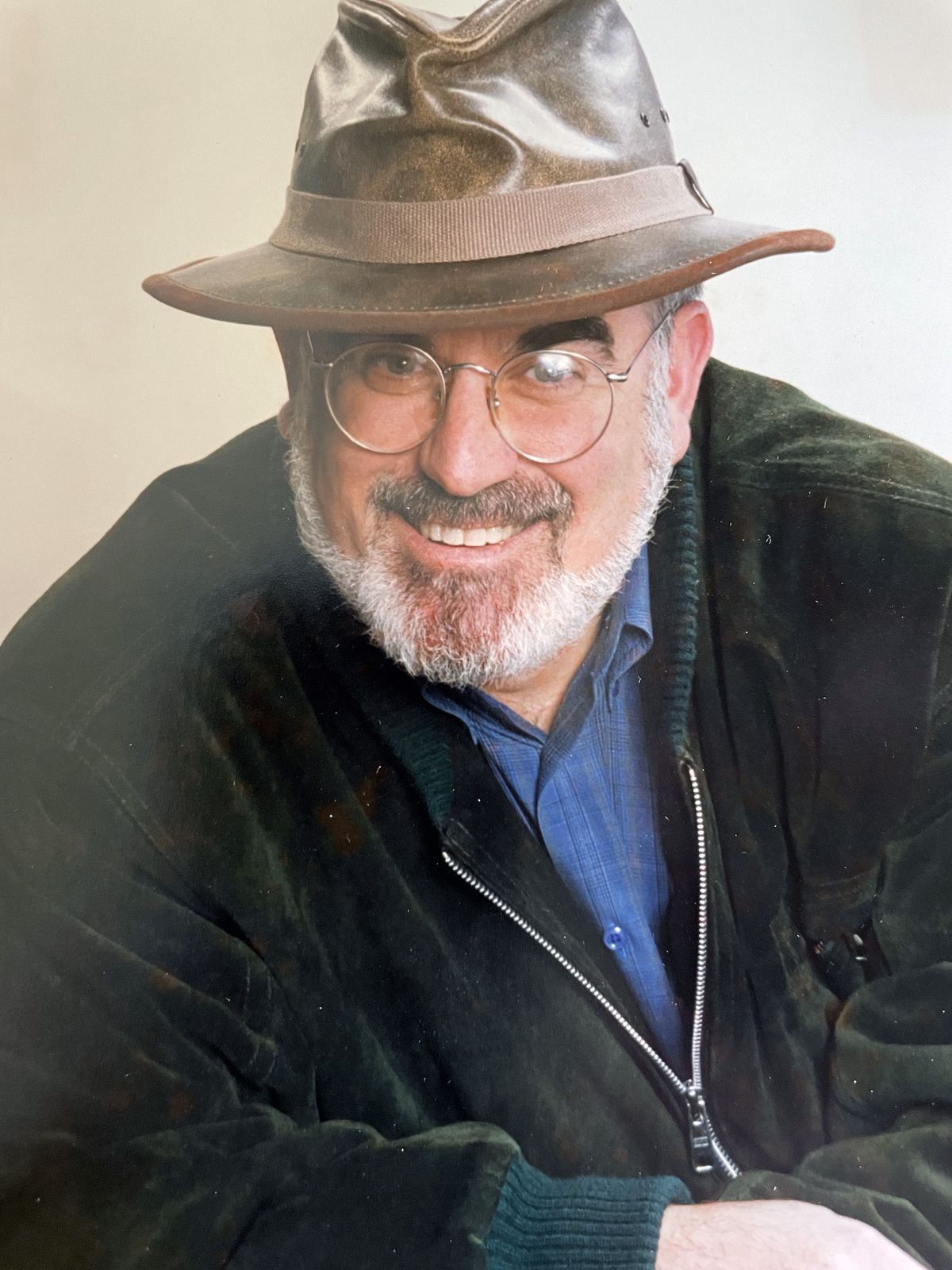
Charles Elliott Pascal, one of North America’s leading education experts, has died. Pascal, who was born in Chicago in 1944, held numerous positions including Ontario’s first Early Learning Advisor under the province’s former Premier Dalton McGuinty, who recently praised him as “one of the most passionate and committed Canadians I have ever met”. Pascal was instrumental in creating the Canadian Index of Wellbeing, as well as helping to introduce full-day kindergarten in the province. Beyond his work in Canada, Pascal also advised governments and the UN around the world. In 2015, he was appointed a member of the Order of Canada.
A volcanic exoplanet capable of supporting life potentially has been discovered by astronomers from the University of Montreal. The Earth-sized, temperate planet orbits a small red dwarf star in a southern constellation 90 light years away and has been named LP 791-18d. It is believed to be covered with volcanoes, making it easier to produce an atmosphere and to establish the building blocks of life. The planet is tidally locked, meaning it does not rotate on its axis and has one side constantly exposed to the sun while the other is in darkness. It sits on the inner edge of its star system’s habitable zone, where temperatures are perfect for liquid water to exist on its surface, but there exists a middle ground with temperatures akin to Earth.
LP 791-18d is hotter than Earth, but the north side is cool enough for water to condense on it, even forming glaciers. The volcano planet should feature a livable atmosphere since volcanic eruptions release sufficient gas. And tectonic or volcanic activity could help stir up the materials needed to create carbon, a crucial component for life. Future discoveries will further help scientists understand how creating worlds outside Earth helped shape the ingredients of life, one collaborator said.
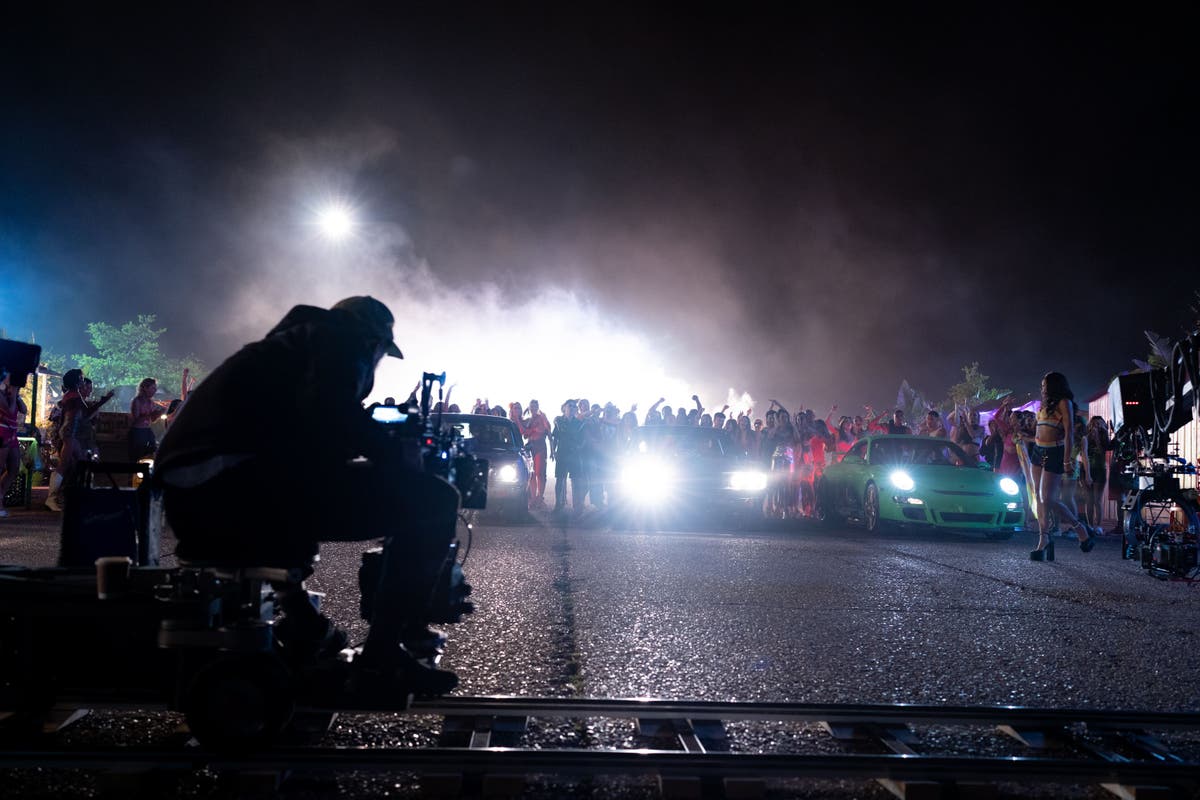
The latest instalment of the Fast and Furious film franchise, Fast X, features up to 200 cars selected and modified for the picture, using a fund of around £5m ($6.9m), and an additional £10m to cover shipping, labour and modifications. The range of vehicles, chosen by Dennis McCarthy, US coordinator and Alex King, who discharges the same role in Europe and the UK, runs from the emblematic 1968 Dodge Charger driven by Vin Diesel’s character Dom Toretto, to an Alfa Romeo GT2000, and a beefed-up Mini Countryman. There is also a DeLorean Prototype driven by Charlize Theron's cyberterrorist, and an electric Dodge Charger Daytona Banshee SRT.
Fighting for air filters in schools showed me why Alberta needs an unfiltered public health office
CBC
23-05-18 08:00
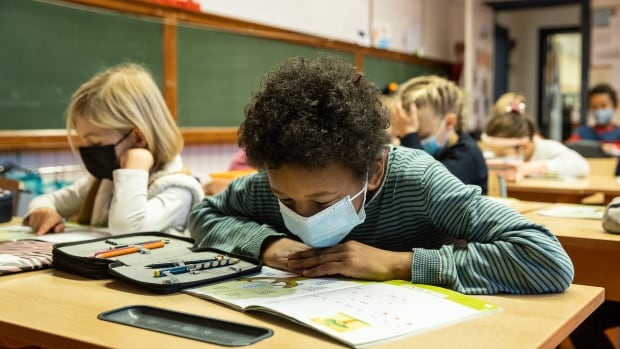
There needs to be a fully independent officer of public health in Alberta whose recommendations are transparent, according to a university professor. Currently, public health officials in the province have not provided a clear statement about air filtration, which led to some school leaders delaying the implementation of air purifying units in Edmonton. Parental advocates successfully managed to secure $6 million worth of funding for the installation of air purifiers in all schools run by Edmonton Public School Board, but other boards may continue to resist even donated high-efficiency particulate air (HEPA) filters. The opinion piece argues that health experts need to be given their independence and freedom to investigate and report without political interference. Furthermore, the piece calls for a revamped Chief Public Health Officer's office in the province, with its independence enshrined in legislation, adding that politicians should be able to access this expertise, but the public needs unvarnished recommendations without government interference.
Medieval historian Peter Heather and political economist John Rapley have authored a new book entitled Why Empires Fall. Examining the rise and fall of ancient Rome, the authors argue that the West needs to learn from history if they are to avoid a similar collapse. Some historians have claimed that Rome experienced an extended decline before the city fell. However, the book's authors argue instead that the Empire appeared to be in a position of economic strength when it saw its final collapse at the hands of barbarians. Warnings from the perspective of the past that the Western world needs to make the right political and financial decisions are made. The authors also discuss Britain's exit from the European Union whilst comparing it to the country's position in the Roman empire. The book concludes that if western politicians are able to learn from the past, there is still some hope of preventing a Roman-like collapse.
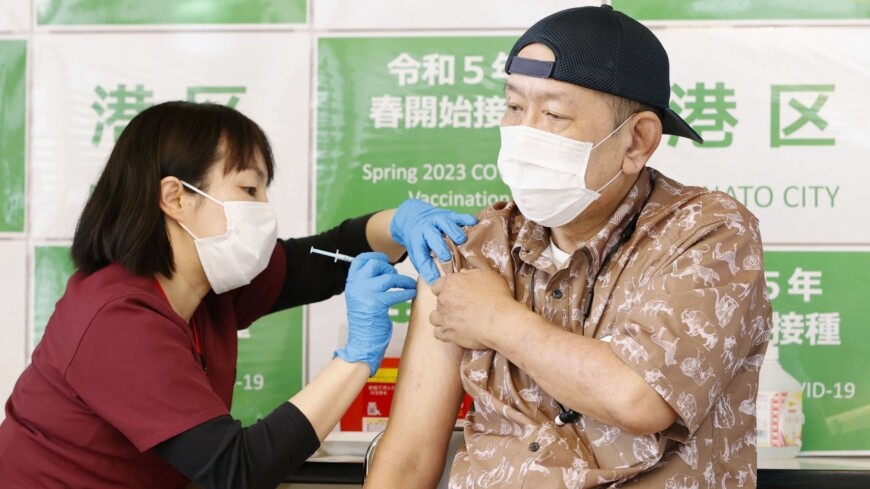
Japan is working to strengthen its vaccine development capabilities after the country was slow to respond to the Covid-19 pandemic and still has not approved a domestically developed Covid-19 vaccine. In response to the country's lack of preparedness, a new funding unit called the Strategic Center of Biomedical Advanced Vaccine Research and Development for Preparedness and Response (SCARDA) has been established. Staffed by around 30 people, SCARDA has pledged investment of ¥200 billion ($1.45 billion) in projects targeting eight pathogens, including Covid-19, influenza, dengue, zika and nipah viruses, over five years. Two of the 11 adopted projects targeted universal Covid-19 vaccines that could work against any of the ever-mutating variants. One is led by VLP Therapeutics Japan, which is developing a self-amplifying RNA vaccine that is safer and can be delivered in much smaller doses compared with current mRNA vaccines. The other is by Shionogi and targets a range of coronaviruses, including Covid-19 and SARS.
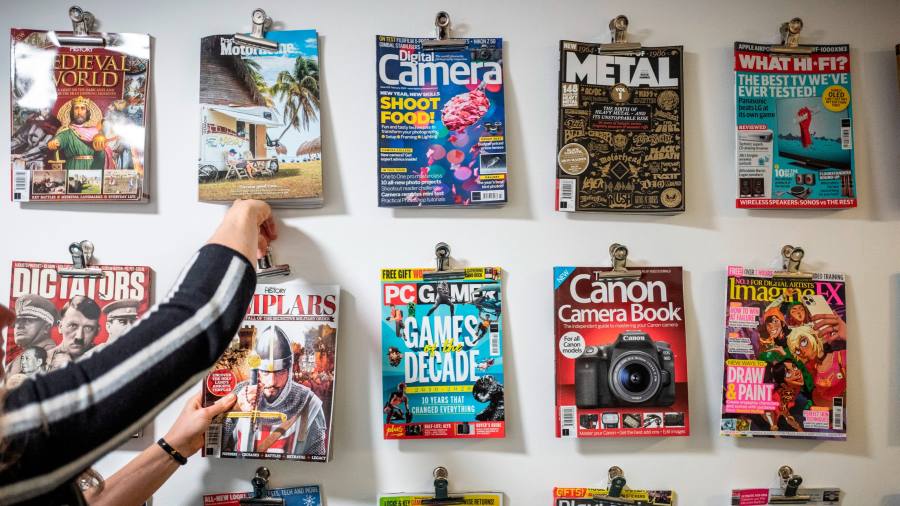
UK publisher Future has warned its results for the year will come in at the lower end of market expectations and announced pre-tax profits for the six months to March were £66.4m ($95m), down almost a fifth. Shares fell more than 15% as investors anticipated the negative news, with Jefferies analysts describing the results as a "challenging set". CEO Jon Steinberg, appointed in April, said despite difficult market conditions the business was well placed to outperform others in the sector. However, Future's outlook has worsened since former CEO Zillah Byng-Thorne left amid concerns the business faced the end of favourable Covid-driven trends. Future owns over 100 titles including Marie Claire and Country Life, but has focussed on specialist titles marketed through digital channels that attract niche audiences. However, digital advertising fell by almost a fifth in the first half of the year.
Arsenal goalkeeper Aaron Ramsdale has signed a new long-term contract with the club after a successful season in which he has impressed fans and teammates alike with his performance. The announcement does not indicate the exact duration of the English shot-stopper’s new deal, however, reports suggest it runs until 2026 with the possibility of extending for another year. Ramsdale said he felt Arsenal fans had embraced him, adding: “You guys have taken my family in, making my dad feel like a superstar. It really gives a family feel to the football club.” He has made 76 appearances for the club in all competitions.
Future, the publisher of a number of well-known British magazines, such as Country Life and TechRadar, has warned that its full-year performance would be at the bottom end of current market expectations due to a fall in ad revenues and declining readership. In the six months to March, pre-tax profits fell to £66.4m ($85.5m), an 18% fall on the previous year. The company has also said digital ad revenues and affiliate fees have dropped due to tough market conditions. Future is still in beta mode with the AI-powered chatbot, HammerBot, which will answer user questions, giving rise to issues such as giving out-of-date answers.
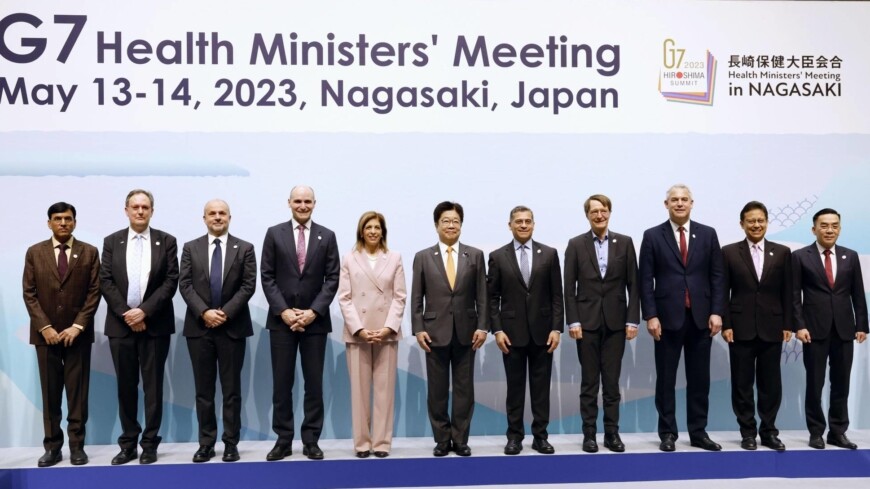
Public health experts have written to the G7 leaders calling on them resist pharmaceutical pressure to strengthen intellectual property rights for vaccines and drugs. The letter, signed by over a dozen scientists from around the world, argues that pandemics require vaccines, treatments, and tests to be distributed globally to ensure equality, regardless of a country’s ability to pay. The scientists urged the World Health Organization to expand waivers on intellectual property rules, which could boost manufacturing in low- and middle-income nations. A global pandemic accord is currently being negotiated by the health organization.
Billionaire investor Carl Icahn has lost money every year since 2014, mostly due to hedges made against a fast-rising market to protect his investment empire against another financial crisis, according to analysis by the Financial Times. Since 2017, the prominent activist investor has lost around $9bn due to hedges which would have paid out if asset prices had collapsed. According to the analysis, Icahn lost approximately $1.8bn in 2017 on hedging positions and $7bn between 2018 and Q1 2019. Icahn has bet on a market collapse since the aftermath of the 2008 financial crisis, deploying a strategy that involved shorting broad market indices, corporations, commercial mortgages and debt securities. At times, the notional exposure of his trades surpassed $15bn. This has neutralised approximately $6bn in gains from his activist wagers.
An American Federation of Teachers campaign, “Fund Our Future,” has reportedly made a push to introduce wealth tax measures in California, New York, and Illinois, but risks increasing public discontent with rising taxes on top of the existing federal taxes and already high state income taxes. A 1% annual tax on Californians with a net worth above $50m has been proposed, as has doubling down on existing high taxes. In the face of overtaxation, citizens could be driven to leave the affected states.
Some US states have proposed legislative definitions of biological sex that distinguish it from gender, in an effort to counter the increasing influence of gender ideology over institutions and law. These vague definitions, for instance, bill SB 458, being considered for Montana's law in 2023, attach adjectives like "biological" to the definition as a qualifier to tie sex to biology and distinguish it from gender. However, they do little to satisfactorily explain the difference between the sexes. The core of gender ideology, which people like the Ontario Human Rights Commission espouse, seeks to disengage gender identity from biological sex. Ambiguities and hasty definitions provide terrains of openings for gender ideology to advance its goals of disorientating public perception and destabilizing the biological basis of the sexes. To counter this, precise definitions that account for developments and disorders, while defining what normal development entails, are imperative. Normal and abnormal development is not a prejudicial or dogmatic concept, but an observation of biological phenomena at different stages of life.
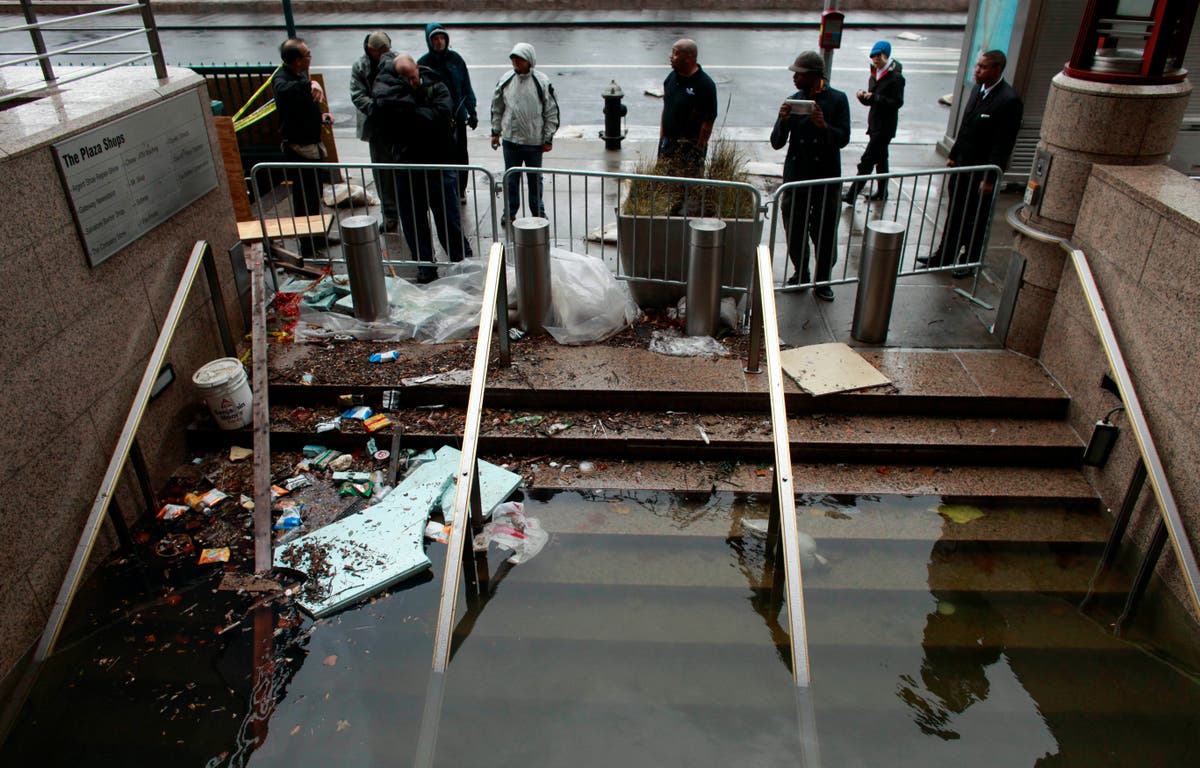
Parts of New York, including Brooklyn, Queens and Lower Manhattan, are sinking at a rate of one to two millimetres per year, partly because of subsidence, which is caused by shifting and settling sediments, according to research led by scientists from Rutgers University. In some areas, the rate of subsidence is significantly greater. The sinking could increase the flood risk for the city's more than 8.8 million inhabitants. Previous studies have suggested that submarine cities are being affected by rising seas at up to four times the rate of other more stable regions.
The Premier League's second top scorer, Ivan Toney, will remain at Brentford after being banned for eight months for 232 breaches of the Football Association’s betting rules between 2017 and 2021. The ban will keep the English forward out of playing until January 2024. Brentford's coach Thomas Frank said "his future is with Brentford" despite the scandal. The FA will apply to FIFA to have the ban extended globally, meaning he cannot be loaned abroad until the end of his suspension.
Montana has become the first US state to ban TikTok on all devices, even personal ones, triggering renewed doubts about the short-form video app’s future in the country. The state’s governor, Greg Gianforte, signed a bill into law that would fine TikTok and online app stores for making the service available to state residents. It takes effect next year. TikTok and other civil society groups warn that the law as written is unconstitutional. Even if the law is allowed to stand, the practicalities of the internet may make it impossible to keep TikTok out of the hands of users. Its vagueness could make it difficult to effectively implement and enforce. TikTok has said it is executing on a plan to store US user data on cloud servers owned by the US tech giant Oracle, and that when the initiative is complete, access to the data will be overseen by US employees. More than half of US states have announced some restrictions on TikTok affecting the app on government devices.
Sen. Tim Scott makes it official: He’s a Republican candidate for president
The Globe and Mail
23-05-19 16:12
Senator Tim Scott of South Carolina, who is the Senate's only Black Republican, is entering the 2024 presidential race to see if a more hopeful vision of America’s future can resonate with Republican Party voters. Scott will make a formal announcement on Monday at his alma mater, Charleston Southern University. He is trying to differentiate his platform from former President Donald Trump and Florida Governor Ron DeSantis' grievance-based politics by talking about universal themes of aspiration and common language rather than condescension and a cynical "us vs them" mentality. Scott has already scheduled TV ads to begin airing in early voting states Iowa and New Hampshire. Scott speaks often about his hardscrabble roots and his grandfather's work in the cotton fields of the Deep South and is a firm believer that racism is not a powerful force in society.
The 17th Architecture Biennale in Venice has been curated by Lesley Lokko, a Ghanaian-Scottish architect, novelist and educator who has created a show centred on Africa and focusing on the issues of land – rights, ownership, extraction, agriculture and displacement. The event emphasises conceptual installations and features many people from Africa and its diaspora who are just starting their careers. A diverse array of unusual practitioners take part and the whole event is more diverse and diffuse than the starchitect-studded Biennales of the past. The event makes the urgent point that African artists, rather than architects, may be the better experts to create installations. Among the high points is Brooklyn-based architect and artist Olalekan Jeyifous' retro-science fiction airport and David Adjaye's display of dark shrine of spotlit models of African megastructures.
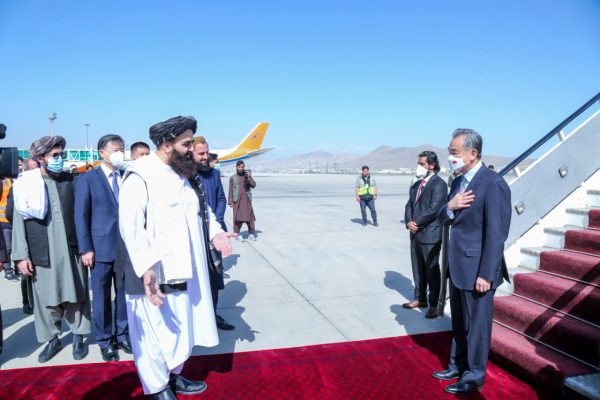
China's investments in Afghanistan have been growing, with a focus on economic and diplomatic engagement, rather than military involvement. Chinese firms are exploring and developing Afghanistan's natural resources, including oil, copper, iron, lithium, and rare earth minerals, in order to gain access to the country's natural resource wealth and expand China's Belt and Road Initiative. China's investments have provided a much-needed boost to the country's economy and offered some legitimacy to the Taliban government. However, the country still faces challenges related to developing strong state institutions, a functioning bureaucracy, and a safe security environment.
Chinese investors will also face concerns about how their investments will be used, particularly how much of the money will flow into the coffers of the Taliban, and how much will be used to generate revenue that can be used to improve the standard of living of the Afghan people. The absence of strong state institutions and environmental regulations are also potential issues for Chinese investors. Furthermore, China’s growing influence in Afghanistan is likely to face increased scrutiny from the international community, particularly India, which may view China’s growing influence in the region as a threat to its own strategic interests.
Overall, stabilizing Afghanistan will be a long and difficult task for China, but it could pay off by creating an arc of Chinese influence that extends from western China all the way to the Euphrates, encompassing surrounding countries and linking them with China via highways, railways, and pipelines, which would offer benefits to China’s industrial sector and enhance China’s superpower rivalry with the United States.