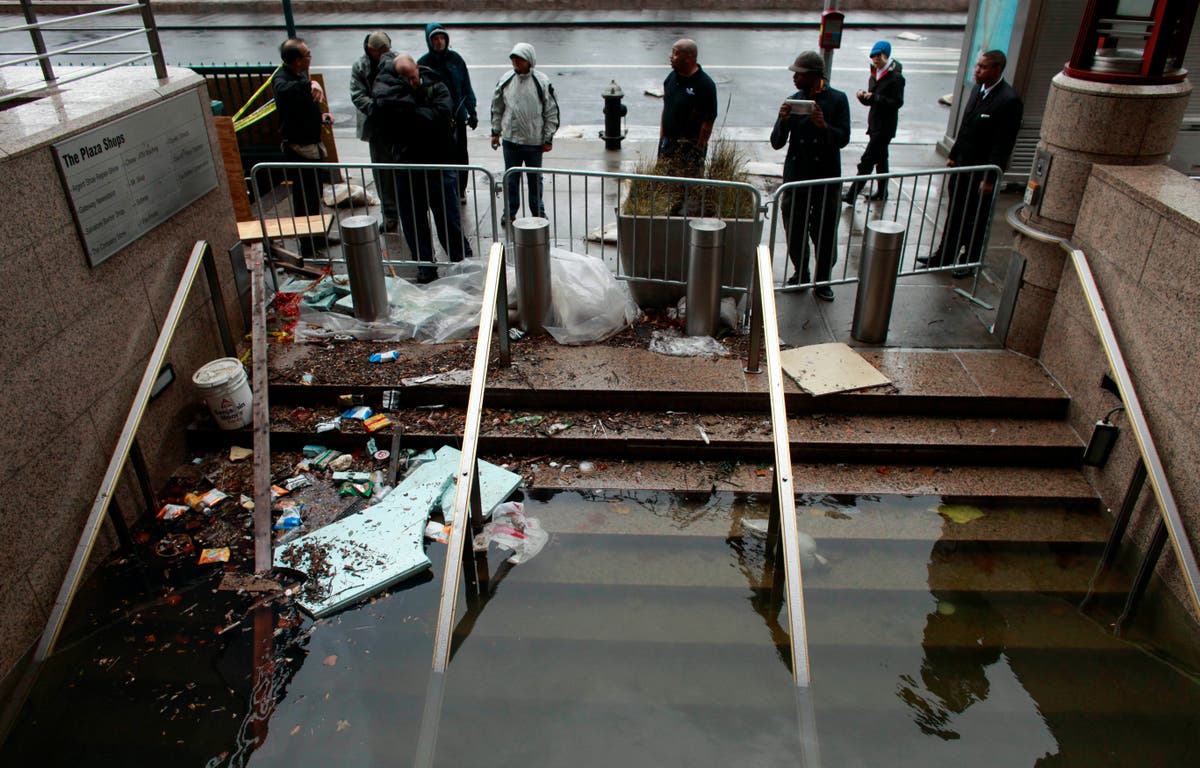
Skyscrapers and other buildings in parts of New York are causing the land the city sits on to sink by one to two millimetres per year, according research featuring in the journal Earth’s Future. Sinking buildings and subsiding Earth's crust seen in New York is mirrored in many of the world's coastal cities, which are also being hit by the rising sea levels caused by climate change. Some areas of New York are particularly prone to subsidence, which can exacerbate the effects of global warming by increasing exposure to extreme weather such as flooding. Over time, there is also a heightened risk of corrosion damage to building foundations.
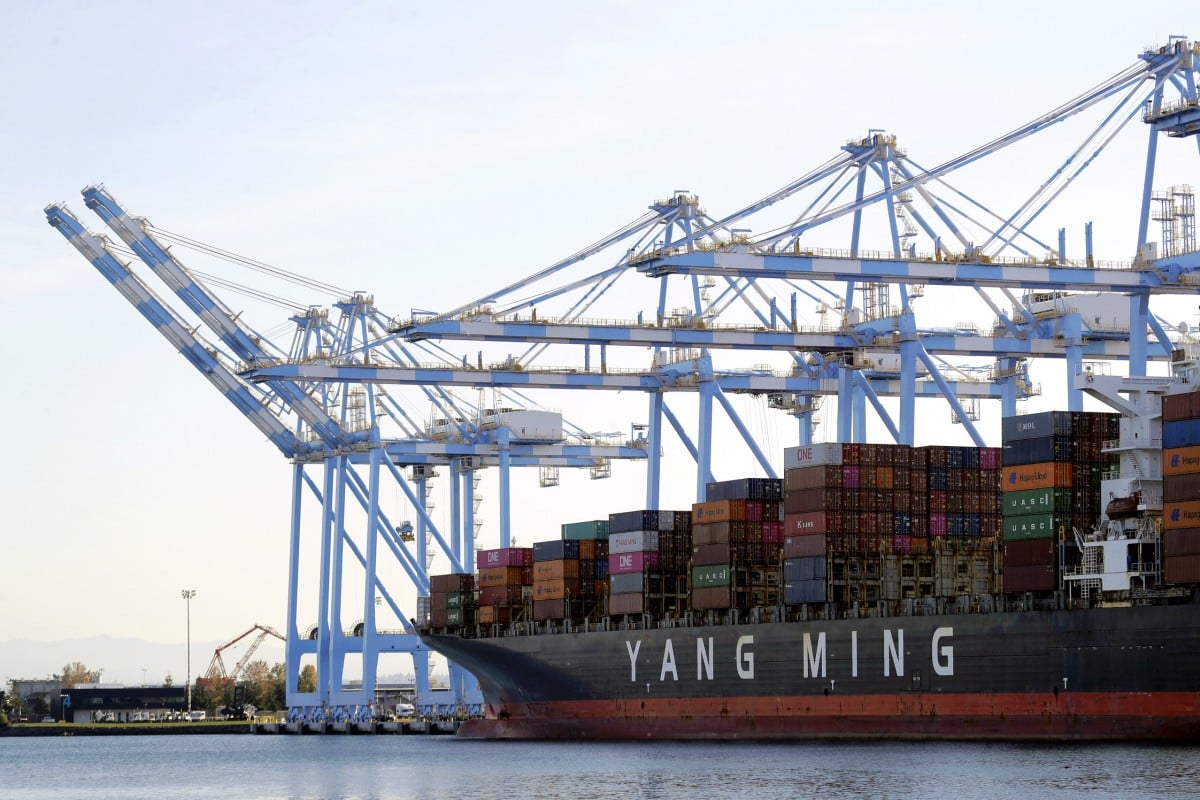
The first phase of the 21st Century Trade Initiative, signed by Taiwan and the US, could make exporting easier, although could also trigger a backlash from Beijing. The deal focuses on streamlining customs procedures for imports, supporting SMEs and increasing trade-related transparency. Taiwanese Premier Chen Chien-jen calls the deal “fruitful and historic”. Shipping should be expedited, with US customs expected to perform more quickly, catering to goods such as polystyrene for bottles, as well as certain plastics and fibre imports which were worth $64.23m in the first four months of 2023. The parties have agreed that each will allow shippers to file import-related documents electronically and inspect shipments at ports during logical hours. Officials expect further negotiations to cover digital trade, removing double taxation and agricultural-related issues.
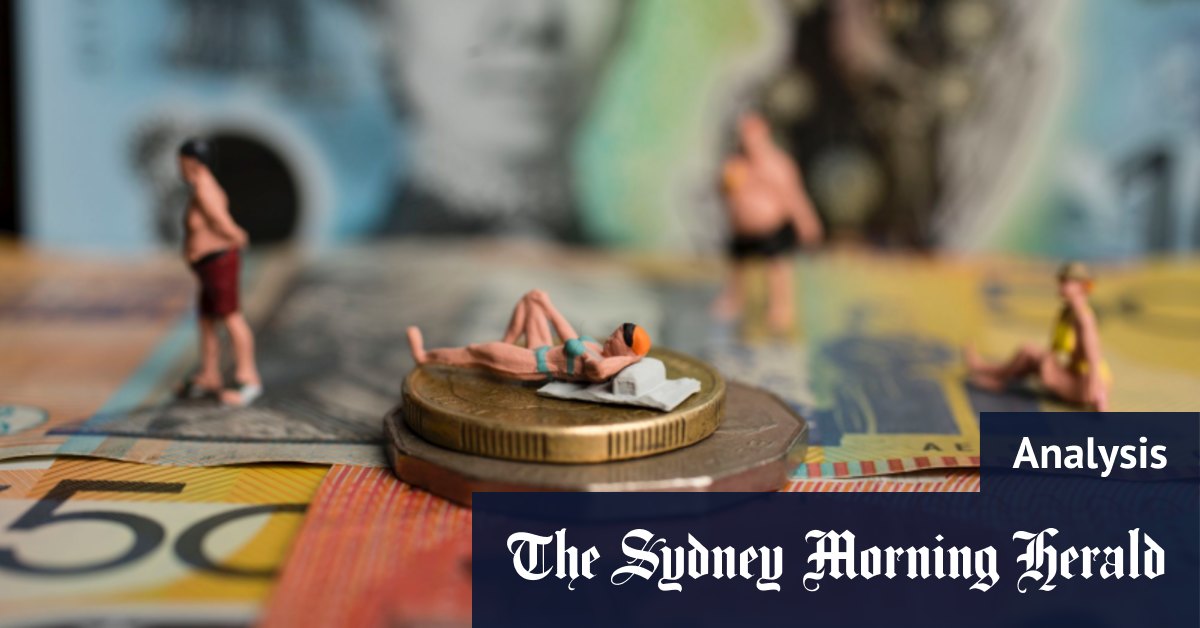
Over-saving may leave people with too much wealth later in life so they miss out on opportunities to enjoy the present, according to Paul Benson, a Certified Financial Planner and host of the Financial Autonomy podcast. Savings are important, but achieving a balance between saving and spending is the key to long-term financial health, Benson said. Finding the right savings rate may vary based on personal circumstances, but a good way to find a baseline is to study long-term savings forecasts and compare the required savings rate to the quality of life in the present.
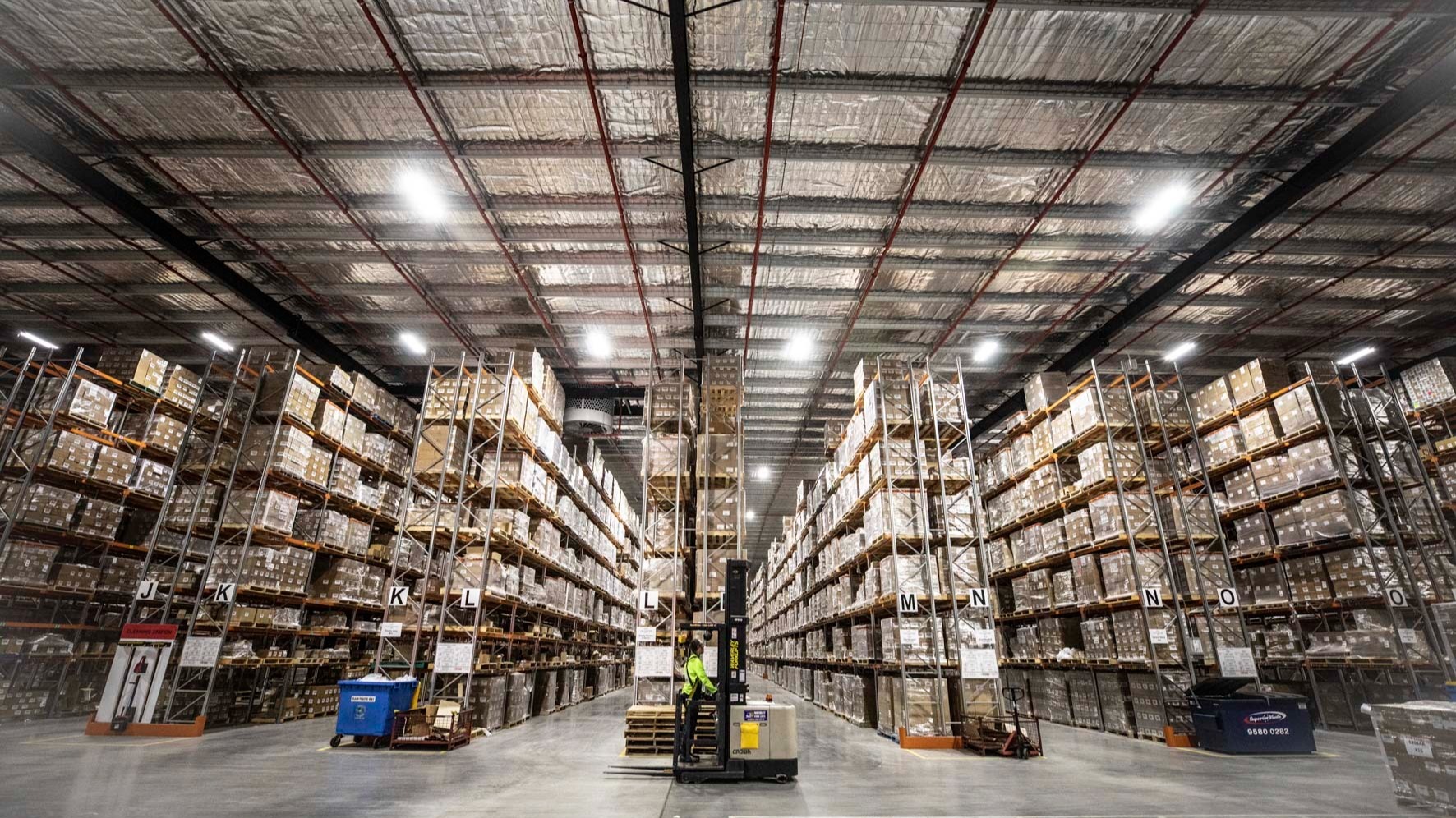
Singapore Post is moving further into the logistics sector as the demand for mail delivery falls. The postal and parcel business reported a loss of S$15.9m for the fiscal year ending in March, with the company's net profit failing 70% to S$24.7m. These results were largely driven by the digital shift of customers during the pandemic and the rising costs of fuel and labor.
Rishi Sunak's Future Fund has experienced losses due to failed start-up bets. The fund, which was established to provide emergency support to start-ups at the beginning of the Covid-19 pandemic, has made a net loss of £63.7m. The fund invested £1.1bn into 1,190 start-ups, with over 100 of those going bust. The Future Fund only sees a cash return when the companies it invests in are sold or turned public.
Farmers say Bill 97 imperils 'the future of agriculture' in Ontario
CBC
23-05-22 08:00
Farmers in Ontario have staged a protest against a proposed change to government rules that could put homes on prime agricultural land and harm rural life. The campaign is against Bill 97, or the Helping Homebuyers, Protecting Tenants Act, an effort to change development regulations to address housing supply and affordability in the province. Amended residential development rules in rural areas would lead to municipalities splitting large farms into smaller lots to allow easier home building. Farmers have said such changes could lead to conflict, curtail expansion of livestock operations and result in a threat to long-term food security.
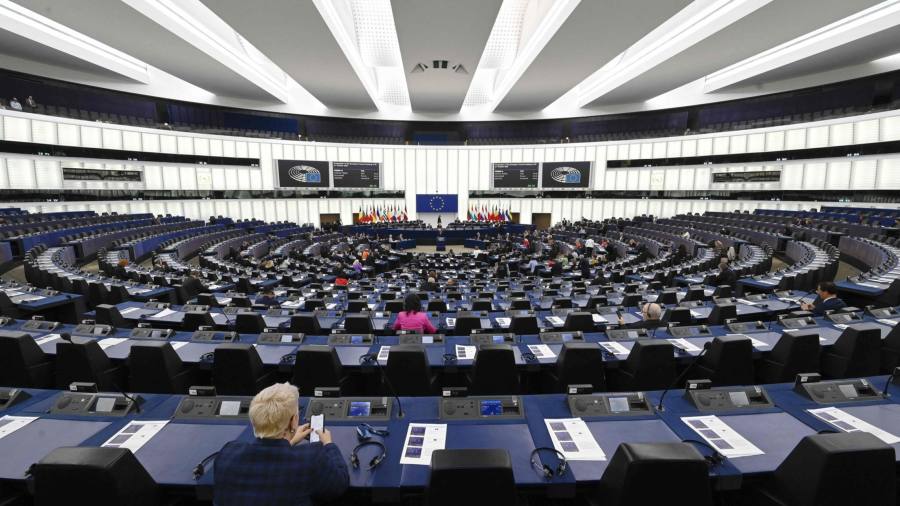
The European parliament's top lawmakers have proposed a cut in payouts from the special voluntary pension scheme provided for MEPs, which would fall by half. The scheme, which is used by almost 1,000 former and current members, includes former UKIP leader Nigel Farage and Marine Le Pen, Leader of the National Party in France. The European parliament's special plan pays out about €20m a year, with the average pension worth more than €2k a month. MEP members will also be offered the chance to leave the pension scheme for a one-off payment if the proposal passes.
The Venice Architecture Biennale has opened with a focus on radical expressions of architecture, in relation to the themes of race, colonialism, and climate change. Curated by Scottish Ghanaian architect and novelist Lesley Lokko, the Biennale featured two strands of work: the first highlighting architectural devices to recall hyper-history and the second imagining radically different futures. Race and colonialism are addressed with particular focus on African diaspora narratives, while climate change anxieties are explored through a range of means including agricultural practices, sustainable design methodology, and archaeological exploration of ancient, circular settlements. Many of the pavilions and galleries have taken the historic opportunity to address issues of waste, particularly in the plastics sector, as well as acknowledging the realities of how inherited wealth has shaped the industry. Overall, the Biennale highlights works that challenge Western assumptions about the narrator of matters of consequence in the architectural world, and those that embrace resourcefulness and reconstructionism over honed and highly polished design.
Historians have argued that imperial Rome fell due to a failure of imagination rather than plague or invasions, and a story by The Guardian suggests there are parallels with the stagnation and dystopia of today's Western powers. However, the article suggests that the West-unlike the late Romans-has the potential to tap into a major tech innovation boom, in particular emerging trends such as a new generation of robots that will work alongside humans on factory floors. Meanwhile, revolutions in medical discovery enabled by supercomputers mean scientists "are empowered to in turn follow hypotheses and hunches, exploring avenues they may have never otherwise considered".
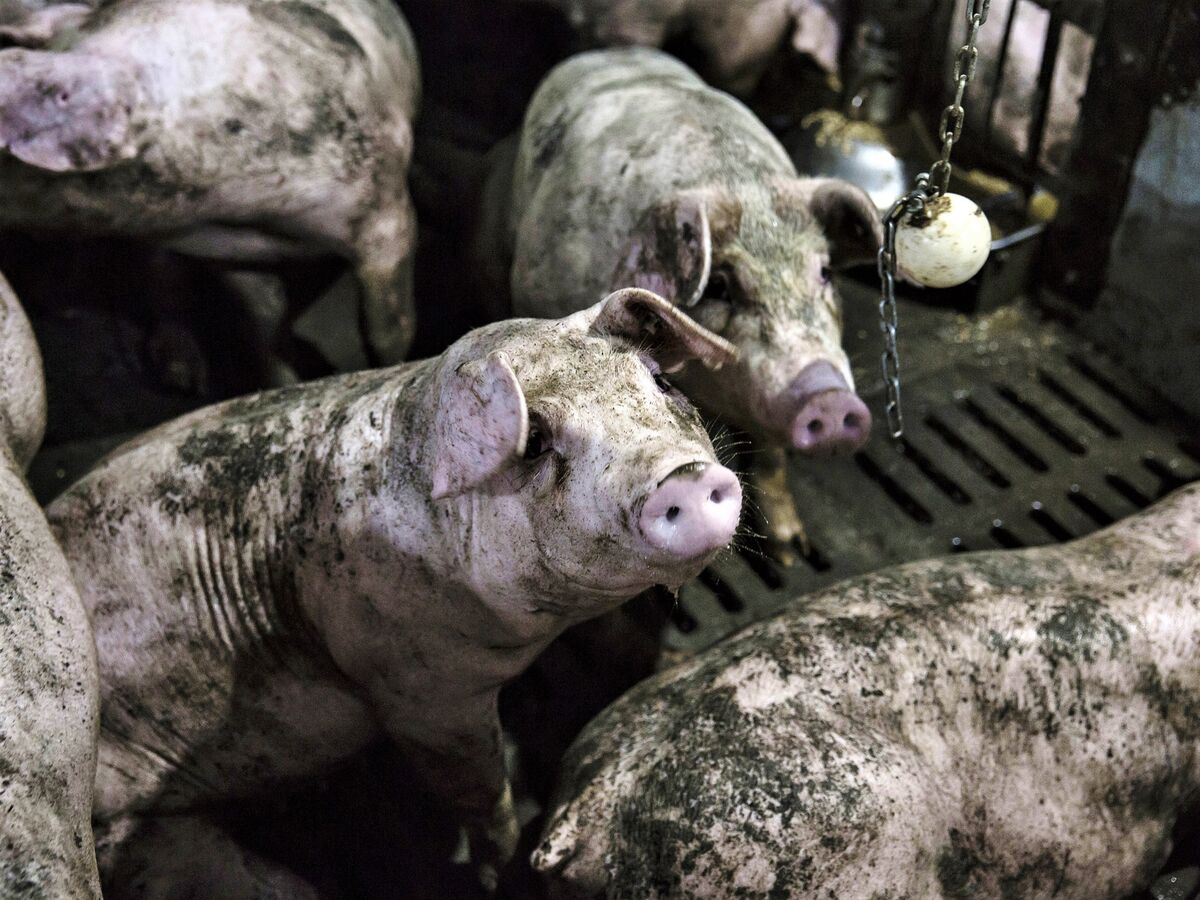
China's focus on pig breeding technology is seen as a long-term bet on national security by the nation's leadership, due in part to the importance of pork consumption to the Chinese population, the world's largest. The majority of the country's pigs — more than 90%, according to the government — are derived from imported breeds, leaving China exposed to potential food shortages and disease vulnerabilities. China has invested heavily in home-grown agricultural research and development as it seeks to reduce reliance on foreign food and technology. However, US public funding cuts in such research threatens that country's ability to compete. Between 1948 and 2019, total US agricultural output grew 175% as a result of public investment, with spending per head remaining largely flat since 1970. The US Congress, however, last year appropriated billions to boost the US semiconductor industry, but only $1m in 2022 and 2023 for the hoped-for Agriculture Advanced Research and Development Authority.
Blue Jays say renos make baseball a 'premium experience,' but fans worry they'll be priced out
CBC
23-05-25 01:33
The Toronto Blue Jays' $300m ($240m) renovations plan for Rogers Centre saw a backlash from season ticket holders about price increases and changes to lower bowl seating, according to CBC News. Some fans said that both their seating positions and that of their nearby family would be lost with the new plans and that their potential seats would be 10 times as expensive. The changes will bring about three new premium clubs under the lower bowl with Rogers Centre looking to offer a more upscale experience, according to executive VP Anuk Karunaratne. The Toronto Star featured one family who had two $15k season tickets and were looking at having to pay more than $137k for two new seats.
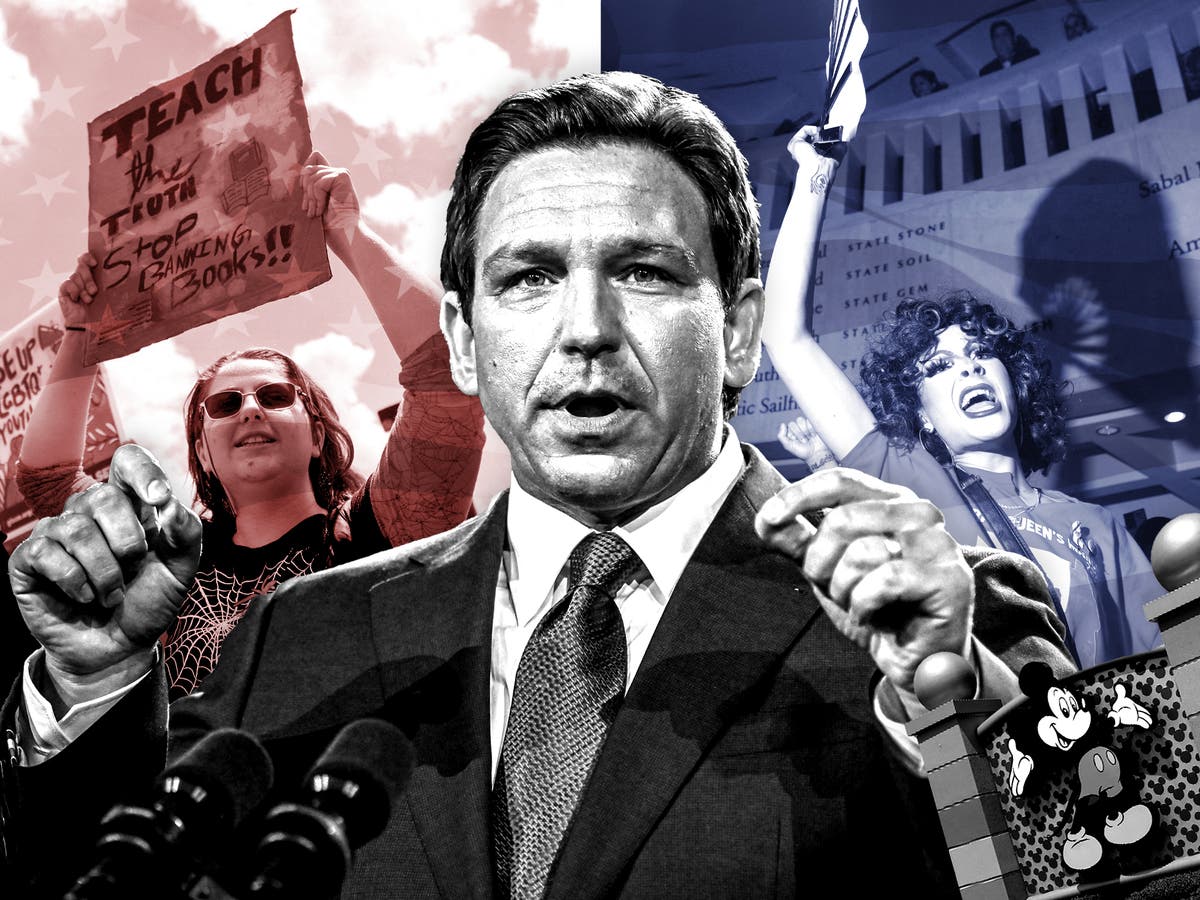
Civil rights groups in America are warning tourists to avoid Florida due to the governor's far-right policies that undermine civil liberties, education, healthcare and immigration. The travel advisories were first issued by Equality Florida, the largest civil rights organisation in Florida, after Republican Governor Ron DeSantis signed into law a sweeping set of policies targeting LGBT+ people, particularly transgender youth. Other advisories followed from the League of United Latin American Citizens and the NAACP, two of the oldest and largest civil rights advocacy groups in the US. The Human Rights Campaign, the nation’s largest LGBT+ political advocacy group, has also joined Equality Florida’s advisory. Tourist spending in Florida in 2019 totaled nearly $100bn.
The boycotts began in Florida more than three decades ago when a leading human rights opponent of apartheid, Nelson Mandela, was rejected by the city of Miami. Black Miami residents had long been excluded from the city’s lucrative tourism industry, and the refusal to welcome Mandela proved to be the final insult. His rejection sparked a grassroots campaign that ultimately led to a boycott of Miami and other Florida destinations.
While some Black tourism operators and groups support the boycott, others have voiced reservations. The president and CEO of the Miami-Dade County Chamber of Commerce, Eric Knowles, said, “a potential boycott is ‘going to affect and impact Black businesses and my first and foremost responsibility is to help and grow Black businesses’.” The human rights group Human Rights Watch recently warned that Florida’s newly passed anti-transgender laws could have severe financial implications for the state’s economy.
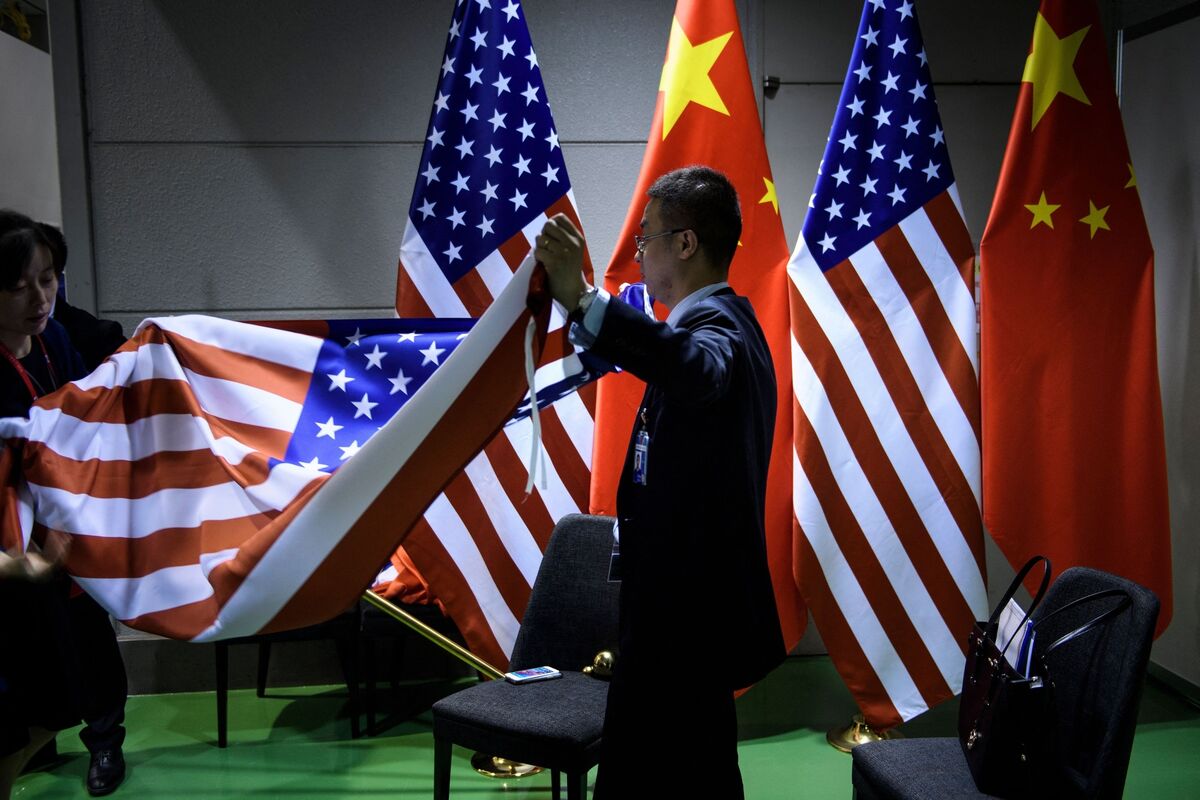
The increasing tensions between China and the US now look irreconcilable, according to Singapore Deputy Prime Minister Lawrence Wong, who said that the Taiwan Strait has become “the most dangerous flashpoint” in the region. Wong, who was speaking at the Nikkei Forum 28th Future of Asia, said that the two countries’ strategic and ideological differences appear insurmountable. Wong also warned against de-risking supply chains, stating that it could prompt unintended consequences and lead to a more fragmented and decoupled global economy.
San Francisco AI start-up OpenAI has capped investor returns as it aims to balance financial profit with the goal of benefiting humanity through AI. The company has estimated revenue for the year of $200m and a pre-money valuation of $29bn. However, if sales explode, the cap may not last long, and investors may baulk if they consider it too stringent. OpenAI created OpenAI LP, a capped profit-offshoot in 2018 to enable investors rather than donors, and early investors will be limited to 100 times their money. Investors that come later, like Microsoft, reportedly agreed to a 20 times cap.
Singapore's No 2 leader, Lawrence Wong, has suggested that some ideological and strategic differences between China and the United States may be "insurmountable and irreconcilable", but that there is still hope for both countries to find areas of common ground to coexist. Wong has also discussed the "most dangerous flashpoint" in Asia, which is tensions in the Taiwan Strait. He points out that the US, China, and Taiwan say that their policies have not changed, but they are all reacting to each other. Incremental moves by one party could prompt counter moves and result in conflict or miscalculation.
Major insurers Allianz, Axa and Scor have left the Net-Zero Insurance Alliance amid growing political pressure in the US and concerns about antitrust laws. The alliance, which forms part of the Glasgow Financial Alliance for Net Zero set up by former Bank of England governor Mark Carney prior to the COP26 climate summit, has lost a total of seven major insurers, though it lists 23 members. The departures have dented its collective power and mean its future is uncertain. Other sub-groups within the Glasgow alliance have been less affected by political pressure.
Top Manta, a Barcelona-based cooperative that represents mostly migrant and undocumented vendors selling trinkets and toys on the streets of the city, has been chosen as the theme for Catalonia and the Balearic Islands’ entry to the Venice Biennale on architecture. Run by the Ramon Llull Institute, the theme of this year’s biennale is The Laboratory of the Future, and is focused on Africa. The stand is in two parts: the first, a marketplace, depicts the journey of the African diaspora and the hardships of the migration process and the second is a workshop based on reusing empty shops and buildings for new housing models.
Leve’s Eva Serrats says that the project aims to bring African values of sustainability and communality into the conversation about how we live. “The proposal, from an architectural point of view, is knowing how to live. For example, they have a lot more experience of cooperative living than we do, of communal spaces and communal eating – which doesn’t have to imply poverty – and of using one space to do many things, which also brings life to the street.”
However, some may question the ethics of giving illegal manteros such a recognised place at the Venice Biennale, noting that prior to forming the Top Manta cooperative, street vendors sold low-cost copies of branded shoes and bags, infringing copyright laws. Daniel Cid, of Leve Productora, said that the ethical debate is immaterial. "The question isn’t what they have to do to survive, but why we allow such conditions to exist.”
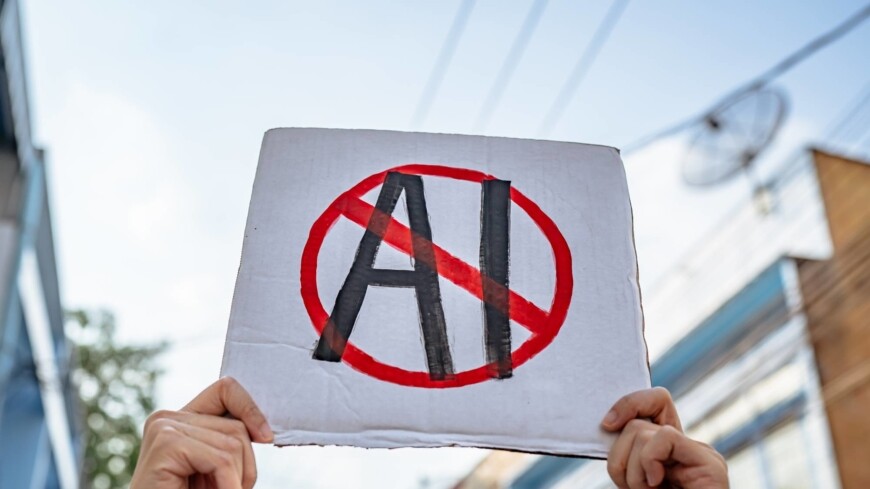
While 19th century Luddites, anti-innovation activists targeting early automation attempts, failed, their descendants today worry that artificial intelligence (AI) threatens human creativity, with “generative” AI tools potentially destroying jobs held by illustrators, journalists and technical writers. Daron Acemoglu and Simon Johnson, authors of Power and Progress, argue that while some technologies can create broad-based prosperity, this is not guaranteed, and while policy can protect workers, such protection will struggle without countervailing political forces to resist billionaire monopolists. Critics therefore call for a new social contract between humans, governments and businesses to ensure AI use benefits all.
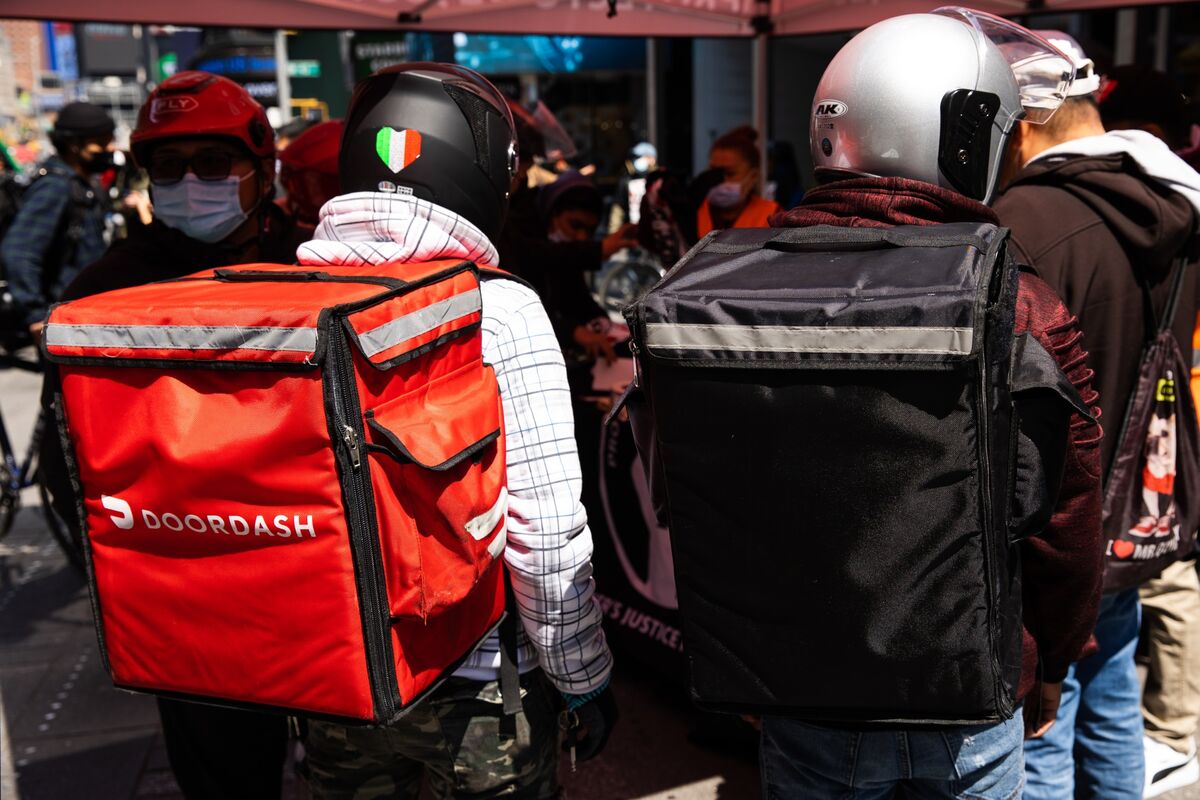
Food delivery fees are here to stay, according to Bloomberg Opinion's Leticia Miranda. Consumers will have to continue paying high fees or settle for a membership plan as DoorDash, Uber Eats and Grubhub dominate the US market, with the three companies controlling 99% of the market. Consolidation has allowed the platforms increased pricing power to charge customers and restaurants, while the companies use their extensive networks to bundle in other services such as grocery and alcohol delivery as a way to offer more compelling deals.
The arrival of technologies such as artificial intelligence (AI) demand better global governance, according to Manuel Muniz, Provost of IE University and dean of the IE School of Politics, Economics and Global Affairs, in a Project Syndicate piece. The complex and nuanced nature of AI requires policy makers to adopt similar governance to climate change and to establish international accords to limit technologies on the battlefield and regulate use in cyberspace. Unfettered export of the technology creates a problem of powerful governments crushing dissent and repressing behaviour both domestically and abroad. In order to create a stable, prosperous digital future, governments must create a global framework for AI ethics and a global Charter of Digital Rights.