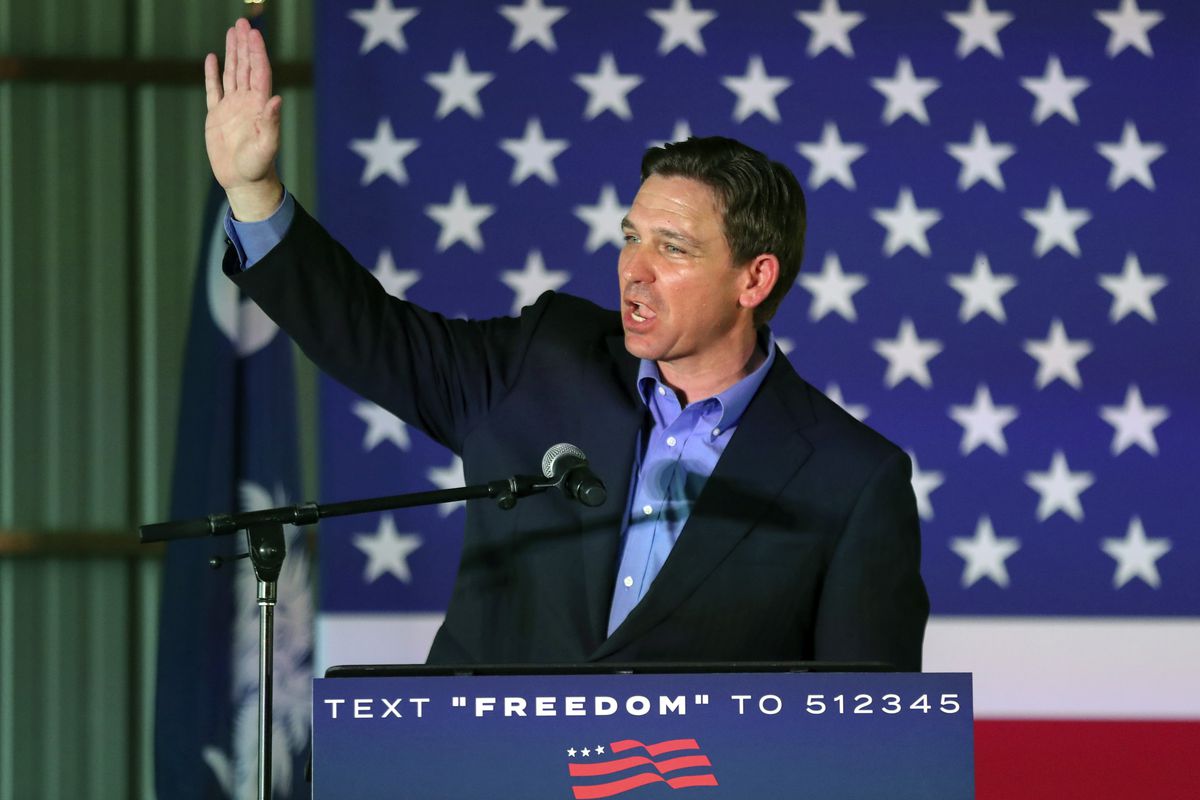
The Republican National Committee has announced that the first of two debates will be held on 23 August, with the second on the following night in Milwaukee, Wisconsin. The criteria for participation will include a rule that all candidates must agree to support the nominee for president, which analysts say could exclude Donald Trump, the former president, if he refuses to commit. If more than 10 candidates meet the required criteria, preference will be given to those with the highest percentage of support. Further debates in the Republican campaign are likely to include higher thresholds for fundraising and polling.
A recent piece in The Washington Post that delved into an archive of predicted future events made in the mid-1960s found that Americans in 1965 believed lots of things - from icy weather to a socialist US economy - were more likely to happen by 1985 than the world discovering a cure for cancer (the latter prospect dismissed by many) and the idea of a collapse of civilisation. Only the idea that a man would walk on the moon was delivered on time, along with the re-emergence of China and the fall of the Soviet Union.
The Republican National Committee (RNC) has scheduled the first 2024 Republican presidential debate to take place on August 23rd in Milwaukee. A second debate has been scheduled for the following night should it be required. Several candidates have thrown their hat into the ring, including Trump, Florida’s Governor Ron DeSantis, and Nikki Haley, the former US Ambassador to the United Nations. To participate in the August 23 debate, candidates must have received campaign contributions from 40,000 unique donors and receive at least 1% support in three national polls or 1% in two national polls and 1% in early state polls from two separate states.
The Republican National Committee (RNC) has announced that the first 2024 Republican presidential debate will be held on 23 August, with a second debate the following night if needed. The RNC has also detailed the criteria that will be used for candidates to qualify for the debate stage. They have stipulated that candidates must have received campaign contributions from 40,000 unique donors. Candidates must also receive at least 1% support in either three national polls or 1% in two national polls and 1% in early state polls from two separate states. The polls must meet certain requirements to be recognized by the RNC.
The lines between real world driving and racing games continue to blur, with Formula 1 hopefuls turning to esports as a way of competing at the top levels of their field, according to a report by the BBC. Major F1 teams including Red Bull, Mercedes and Ferrari are now taking part in esports competitions, the report said, scouting for new talent and using the gaming world both to train up their drivers and to promote the sport to a wider audience. Last year, esports events drew a global audience of more than 45 million spectators to watch the virtual races.
A group of tenants at multiple buildings in Toronto, Canada are on rent strike, refusing to pay their rent in May due to rent costs being raised by 4.2% on an above guideline increase (AGI) to cover the costs of recent renovation works. The company overseeing the financial assets of the buildings, including Starlight Investments has applied for an AGI, and with no rent controls on vacant units to counter the increase, landlords are able to continuously raise the rent while renovating and re-renting continuously. Over 100 tenant families have gone on a rent strike demanding the AGI be dropped.
‘Many … are so concerned about the state of affairs in my province, yet they don’t even live here.’ Alberta picks Danielle Smith, plus other letters to the editor for June 3
The Edmonton Journal has reported concerns from Albertans that the federal government could become too involved in their province's affairs, following the recent ‘orange crush’ that swept the province and saw Rachel Notley’s New Democratic Party achieve a majority held by only two other parties in the province’s history. However, the Globe and Mail has argued that Canadians outside of the province are too worried about Alberta’s politics: "I don’t think Xi Jinping and Vladimir Putin would have any compunction to do to us what they would do to their own citizens,” writes the Globe and Mail, and highlights the need for Ottowa to maintain an outside control. Meanwhile, Let them Eat Cake author, Phoebe Maltz Bovy has argued that consumers who choose vegan or vegetarian options for their meals will have fewer negative environmental impacts rather than those who choose meat. She adds: “The environmental and climate change impacts of animal agriculture are far greater. Plus, if I choose lentils or tofu, what I’m eating will not have required the deliberate killing of birds or mammals”.
The new breed of diabetes and obesity medications called GLP-1 receptor agonists are among the first group of drugs that are said to fight addictions and not just those related to food. The drugs are prescribed for daily use and work because they reduce the way that hunger centres attention on seeking food. Weight loss is important in type 2 diabetes management as it is a known risk factor for the disease and the emphasis on weight management has led to many patients with the condition being prescribed the drugs.
These drugs alter the appetite and compulsive behaviour associated with it, thereby offering clues for insight into the nature of pleasure and addictions. According to neuroscientists, people with obesity cravings respond to food the way that others crave drugs. And adjusting brain systems that regulate desire may also affect the stigma that society pins on people with conditions that can lead to loss of control - when drugs can significantly ease weight loss or addiction recovery, it’s hard to argue that the problem is moral rather than medical.
Because these drugs act specifically on a person’s set point, it is uncertain whether they will work to treat substance problems. So far, the data on using GLP-1 drugs for substance addictions is mixed. It remains to be seen if these systems can also create signals that say no to more drugs and, if so, how this varies among individuals. People with alcohol problems seem to lack an off switch, while those who drink moderately report knowing when to stop.
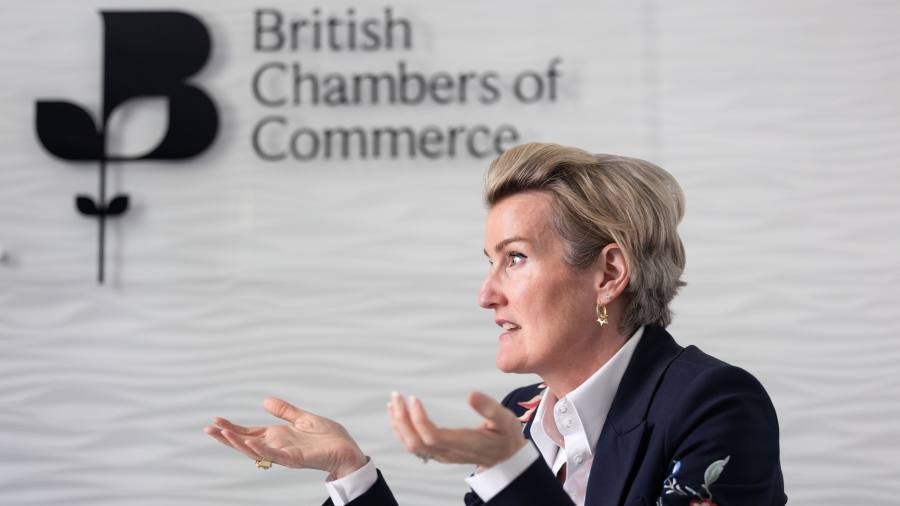
The British Chambers of Commerce (BCC) has launched a business lobby group designed to “design and drive” the future of the economy. The Business Council’s founding partners include Drax, BP, Heathrow and IHG Hotels & Resorts. At the same time, the Confederation of British Industry (CBI) is facing a crucial vote over a series of reforms. The organisation has received public backing from 13 companies, including Microsoft and Siemens. However, some businesses have withdrawn from the CBI due to allegations of sexual misconduct against certain individuals.
The British Chambers of Commerce (BCC) has created a new council of large businesses, including BP, Heathrow, Drax and Intercontinental Hotels, which it said will shape the UK's future economy. The move is a direct challenge to the CBI, which has seen its membership in flux since a sexual harassment scandal last year. Siemens and Microsoft have led efforts to retain the CBI's members, ahead of a crucial confidence vote this week. The BCC council will focus on net zero policies, digitalisation and the future of high street, among other areas.
The 1980s saw a sustained drop in carbon emissions due to the turmoil in the oil market, which caused waning demand in the wake of the second oil shock, a fuel oil shift, and low investment. Similar trends have emerged in the latest attempts of Saudi Arabia to limit its crude oil supply, in an effort to increase stability in the market. In fact, the country has cut the daily production of its crude oil by a million barrels, making it echo a trend last seen before the birth of its current de facto ruler, Prince Mohammed bin Salman. The global energy transition has also added to this progress, further contributing to climate change mitigation. However, the recent reversal in supply restraint by Saudi Arabia is a cause of concern, for there is a possibility that in the future, the world would have stopped wanting what such a kingdom has to sell.
Ange Postecoglou, manager of Glasgow Celtic, is believed to be near to signing a two-year deal with Tottenham, according to reports. Tottenham have not commented on the reports, while a principled shareholders at Celtic, Dermot Desmond, has also declined to comment. Postecoglou had not previously commented on his future at Celtic, although he is believed to have admitted he will soon be disrupted by some decision-making. Allegedly, Postecoglou told Desmond on 29 May that he intended to leave for London.
With central banks around the world exploring the potential for digital currencies, it is striking that the degrees of privacy that some promise may not be more liberal than those being offered by their paper counterparts, according to American Enterprise Institute analyst James B. Stewart. In a Future of Freedom podcast, he said central banks are developing digital coins, or CBDCs, in part as the result of cryptocurrencies such as Bitcoin, and also due to Facebook's grand but failed digital currency offering, Libra. CBDCs promise to be standard bearer in a government's ability to offer currency while arising as a potential threat to cryptocurrencies like Bitcoin that lack the regulatory support of a state. Steward believes that the fundamental issue with CBDCs in terms of privacy is that it is all a competitive issue, so how private it is will depend on the level of competition the central bank feels from other players. European Central Bank President Christine Lagarde seems to fall within those parameters, saying in public remarks that central banks "have no interest in using consumer personal data when offering digital cash," although she also said that while CBDCs will not be as private as cash, they could offer greater privacy protection than stablecoins, which are a cryptocurrency involving digital tokens pegged to another form of money, such as a stable fiat currency like the US dollar. A digital euro, should it arrive, could work without collecting data from consumers as part of any transaction.
Toronto's Housing Now initiative, which was to build thousands of affordable homes, including hundreds of rental homes, hasn't yet started, putting the city's goal of increasing affordable housing at risk. Despite having more than a billion dollars worth of land and resources, the program has faltered due to bureaucracy, ill-equipped infrastructure, cost overruns, community opposition, staff shortages, and the COVID-19 pandemic. Critics have called for more due diligence when identifying sites for such projects and establishing earlier coordination with other agencies and stakeholders.
The delay has left the city with a worsening housing crisis. In September 2021, the city finalized agreements with Greenwin Holdings and Tridel Builders to build the 1,484-home development at Wilson Heights. The deals were conditional on financing, and the developers had to demonstrate equity to qualify for loans. Interest rates started to climb in 2022, and there was anxiety over whether financers would sign off on deals quickly. Turnover in the city’s planning department also contributed to the delays, and staff acknowledgment that programs to speed up affordable housing never materialized the way they were intended.
Construction on the project at Wilson Heights, which had been set to begin in 2020, is now expected to start later this year at a location that currently sits empty despite dozens of empty parking spaces that cost $5 on a weekday. If construction begins as expected, it will result in hundreds of new homes by Greenwin and Tridel Builders, with affordable home options.
The UK’s energy sector requires “plans not bans” to achieve a balanced mix of energy sources, according to GMB general secretary Gary Smith. Speaking at the GMB’s annual congress, Smith criticized the use of a single basket approach to energy policy and highlighted a need for a combination of energy technologies to guarantee supply and achieve net zero targets. Smith said a mixture of renewables, oil and gas, new nuclear, and hydrogen are essential to meet future energy needs. Smith added that he travelled to the US to discuss energy policy with members of the Biden administration and that they were focused on “plans not bans” in relation to the country’s energy mix.
Brain implant needed to justify a $5 bln Neuralink
Reuters BreakingViews
23-06-05 19:49
Elon Musk's brain-computer start-up Neuralink has been valued at almost $5bn, backed by promises such as tailoring brainwaves to boost performance, or help people with disabilities move those parts of their bodies they cannot control. The promised revenue of $3bn in 10 years would have to perform better than rivals Medtronic, Boston Scientific and Abbott Laboratories, who had a combined neuromodulation market value of $1.7bn in their last fiscal year. Regulatory approval normally takes an extended period of time, as regulators want to prove the benefits outweigh the risks to the patient.
Academics at UK universities are leaving exam papers unmarked while on strike, forcing thousands of students into limbo during a difficult time for the higher education sector, writes Michael Savage for The Observer. The University and College Union (UCU), which has been active in industrial action for half a decade, started the marking boycott in April after agreeing a deal on pensions but rejecting one on pay and worker conditions. Staff at some universities are reportedly having their pay withheld as a result. There are signs that support for the UCU is dwindling among students as the dispute grinds on. The annual results season at UK universities usually comes in the first week of July.
Canada is expanding its refugee resettlement programme to welcome 144,000 refugees from 2023 through 2025. More than 50% of the refugees will be sponsored by private citizens and community groups that will support the newcomers for a year. The commitment entails at least $28,700 in annual financial costs to support four people, covering startup costs, furniture, clothing and ongoing monthly costs for basics such as food, housing and transportation.
Britain’s Confederation for British Industry (CBI) has gained the support of 93% of its members in a vote on reforms needed to stave off insolvency and to tackle issues around workplace sexual harassment. A total of 345 members voted in favour of the changes, including restrictions on senior staff’s levels of alcohol consumption. However, several major companies, including BT, PwC and Scottish Power, abstained from the vote, and the government has refused to engage with the organisation.
The recent bipartisan debt-ceiling deal, which won a majority of Democrat and Republican votes in both the Senate and the House, may lead to sharp changes in government spending policies after the presidential election of 2024. However, the deal does not address the precarious financial situations of entitlement programs such as Social Security and Medicare, which are expected to run out of funding in 2034 and 2028 respectively. President Biden insists that his program contains no cuts with respect to these programs, but the refusal to address their financial instability may lead to a worse deficit crisis in the future.
The deal also contains provisions on spending reductions and expansions, such as greenlighting the Appalachian natural gas pipeline and allocating $45 billion for dealing with toxic conditions for veterans. However, the bill is complex and may not achieve its goals of limiting spending, saving money, or growing the economy. Additionally, the bipartisan process is unlikely to continue after the next election, leading to more hard-line positions and tough negotiations in the future.
The Biden administration focuses on redistributive policies and government funding for infrastructure and clean energy, often at the expense of productivity and free trade. However, Biden is met with opposition from Republicans, the Supreme Court, and unions, which may impede his efforts to pass legislation and push his agenda. In sum, the debt deal represents a short-term compromise that may lead to long-term consequences, particularly in the health and entitlement sectors.